
Complete Guide
The Complete Cellular Health and Longevity Guide: Daily Wellness for the Long Run
Cellular health is a foundational part of overall wellness. Every system in the body depends on how well individual cells function, repair, and maintain balance over time.

Cellular health is a foundational part of overall wellness. Every system in the body depends on how well individual cells function, repair, and maintain balance over time. While this process is not something you feel directly, it shows up in how your body performs and adapts throughout daily life.
Throughout this guide, you will learn how lifestyle choices, nutrition, and specific ingredients such as glutathione, sulforaphane, and ADK vitamins may fit into a broader routine.
The goal is to help you build a simple, repeatable approach that supports cellular wellness without unnecessary complexity.
What Cellular Health Means
Cellular health refers to how well your body’s cells function on a daily basis. Every tissue, organ, and system is built from cells, and their collective performance influences overall wellness over time. While this process is not directly visible, it plays a role in how consistently your body maintains balance and supports daily function.
Cellular wellness is not shaped by a single habit, food, or supplement. It reflects a combination of consistent patterns, including balanced nutrition, regular sleep, movement, stress management, and, when appropriate, targeted supplementation. These elements work together to support the body’s natural processes over the long term.
Because of this, cellular wellness is best approached with consistency rather than intensity. Changes at the cellular level happen gradually, which is why steady, repeatable habits tend to be more effective than short-term efforts.
Why Daily Habits Matter for Long-Term Wellness
Daily habits form the foundation of long-term wellness. What you eat, how you move, how well you sleep, and how you manage stress each day all contribute to how your body functions over time. These patterns build gradually, and their effects become more noticeable with consistency.
This works in both directions. Supportive habits, even small ones, tend to compound into meaningful long-term benefits. At the same time, inconsistent or unstructured routines can also accumulate and affect overall balance. The encouraging part is that the body often responds well when habits improve, regardless of when you start.
The most effective approach is one that fits into everyday life. Routines that require perfection are difficult to maintain, especially when schedules change. A flexible, repeatable structure that can adapt over time is more likely to support long-term consistency and better results.
Antioxidants and Daily Wellness
Antioxidants are compounds the body uses as part of its normal daily processes. They are naturally found in a wide range of foods, particularly plant-based options such as fruits, vegetables, whole grains, nuts, seeds, and certain teas and spices.
Rather than focusing on a single antioxidant, a more practical approach is to include a variety of plant foods throughout the day. Different colors often reflect different compound profiles, which is why a common guideline is to “eat the rainbow.” Foods like berries, leafy greens, citrus fruits, tomatoes, bell peppers, carrots, and sweet potatoes each contribute unique compounds that support a well-rounded intake.
Supplements can complement this approach when dietary intake is inconsistent. Options such as:
- Glutathione
- Sulforaphane
- CoQ10
are often included in daily routines as part of a broader wellness strategy. However, they are best viewed as additions rather than replacements for a varied diet.
Other daily habits also influence how the body uses nutrients. Consistent hydration, adequate sleep, and regular movement all contribute to overall balance. A structured, well-rounded routine tends to be more effective than relying on any single food or supplement.
Glutathione and Cellular Wellness
Glutathione is a compound that the body produces naturally and that is involved in many everyday processes. It is often discussed in the context of cellular wellness because of the role it plays in maintaining internal balance over time.
While the body produces glutathione on its own, it is also available as a daily supplement for those who want to include it more consistently in their routine. One commonly used format is liposomal glutathione, which uses a phospholipid-based delivery system designed for regular use.
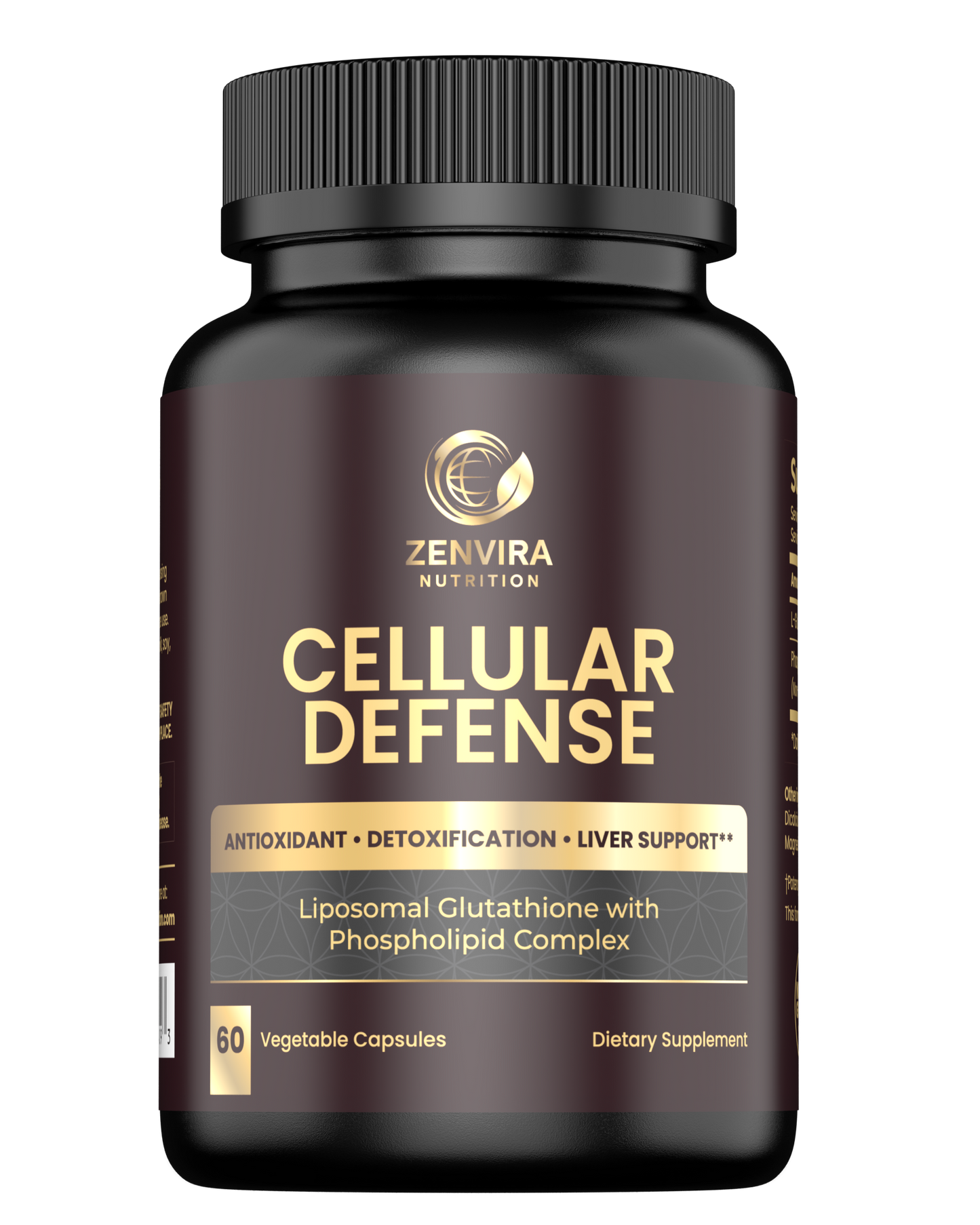
Zenvira’s Cellular Defense product includes liposomal glutathione combined with a phospholipid complex. It is designed to be taken daily according to the product label directions, fitting into a broader wellness routine.

Cellular Defence


Glutathione is often included in routines that focus on:
- Antioxidant support
- General cellular wellness
- Long-term daily balance
Like most supplements, it works best when paired with foundational habits such as:
- Balanced nutrition
- Consistent sleep
- Regular movement
As always, reading the product label carefully and speaking with a healthcare professional for personalized guidance is a practical step, especially for those taking medications or managing specific health conditions.
Sulforaphane and Cellular Detoxification Support
Sulforaphane is a compound naturally found in cruciferous vegetables, especially broccoli, broccoli sprouts, and other related plants. It has been widely studied and is increasingly included in daily wellness routines focused on cellular wellness support.
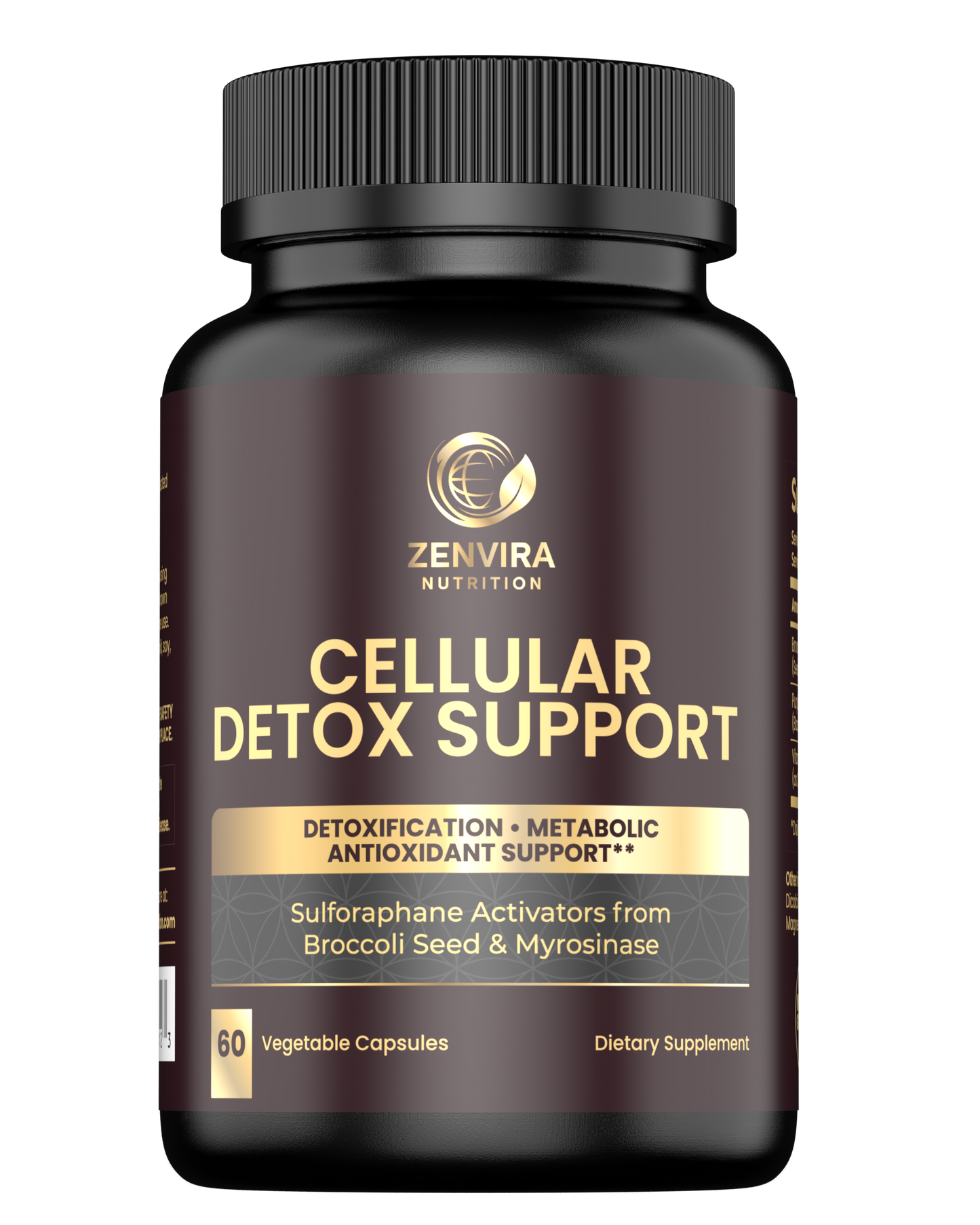
Broccoli seed extract is a common source of sulforaphane in supplement form. Zenvira’s Cellular Detox Support product combines broccoli seed extract with purple cabbage extract and vitamin C in a single daily capsule formula. It is designed for daily use following the product label directions.
Sulforaphane is often included in routines that focus on:
- Antioxidant support
- Cellular wellness
- Daily metabolic balance
Like other supplements in this category, it is typically included as one part of a broader routine rather than a standalone approach.

Cellular Detox Support


Including cruciferous vegetables in the diet is another practical way to support this area. Common options include:
- Broccoli
- Cauliflower
- Brussels sprouts
- Kale
- Cabbage
- Bok choy
A consistent approach that combines diet and routine tends to be more effective than relying on any single source.
ADK Vitamins and Bone Wellness
ADK refers to a combination of vitamins A, D, and K, often with vitamin K delivered as K2 (menaquinone-7). These vitamins are commonly grouped together because they play complementary roles in the body.
Each vitamin contributes in its own way:
- Vitamin A is involved in a range of daily processes and is found in foods like sweet potatoes, carrots, leafy greens, eggs, and dairy
- Vitamin D is commonly associated with bone wellness and is produced through sunlight exposure, though intake can vary depending on lifestyle
- Vitamin K2 (MK-7) is often included alongside vitamin D in supplement routines due to its role in how the body handles calcium
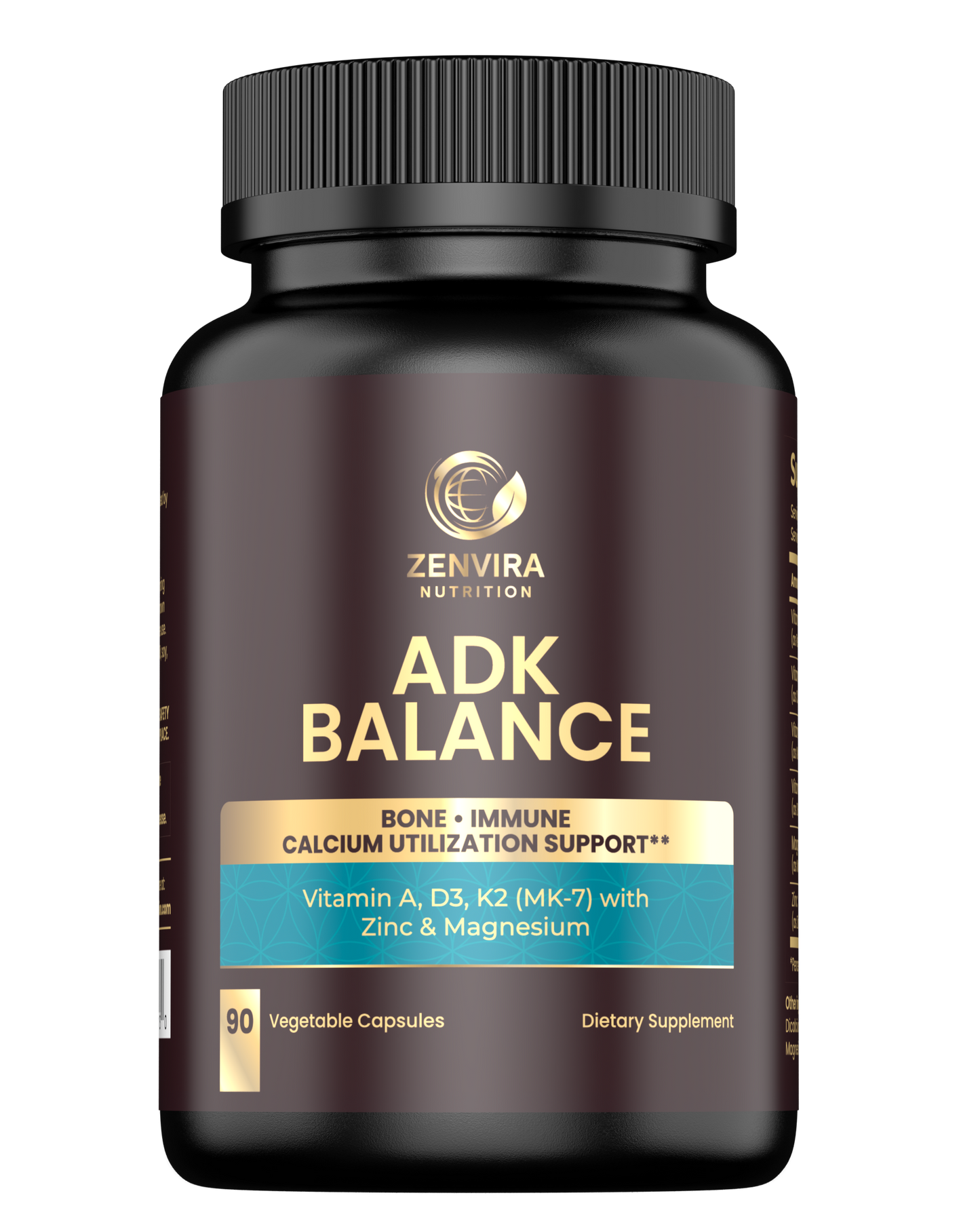
Zenvira’s ADK Balance product combines vitamins A, D3, K2 (MK-7), vitamin E, magnesium, and zinc in a single daily capsule. It is designed to be taken as part of a daily routine following the product label directions.

ADK Balance


ADK supplements are often included in routines that focus on:
- Bone wellness
- Daily nutrient balance
- General wellness support
Because these are fat-soluble vitamins, it is a good idea to follow recommended serving sizes and speak with a healthcare professional when needed.
CoQ10 and Cellular Energy Processes
Coenzyme Q10, usually called CoQ10, is a compound that the body produces naturally and that is involved in cellular energy processes. It is found in small amounts in foods like organ meats, fatty fish, and some whole grains, and it is also available as a daily supplement.
Zenvira offers a 30 mg CoQ10 supplement designed for daily use. It is typically taken as a single capsule with a meal, following the directions on the product label.
CoQ10 is often included in routines that focus on:
- Cellular energy processes
- Daily wellness support
- Long-term routine consistency

COQ10 30MG


Like other supplements in this category, CoQ10 works best when it supports a stable foundation. Habits that commonly pair well with it include:
- Balanced meals
- Consistent sleep
- Regular movement
- Steady hydration
A consistent routine tends to be more effective than focusing on any single supplement in isolation.
Foundational Nutrition for Cellular Wellness
Supplements are one part of a cellular wellness routine, but daily nutrition is the foundation. A balanced diet that includes a variety of whole foods provides the nutrients the body uses every day.
Vegetables and fruits should make up a significant portion of most meals. Aiming for a variety of colors each week helps cover a wide range of compound profiles. Common options include:
- Leafy greens
- Cruciferous vegetables
- Berries
- Citrus fruits
- Root vegetables
Quality protein sources support the body’s daily maintenance processes. Practical options include:
- Poultry and fish
- Eggs
- Legumes
- Nuts and seeds
- Protein powders
Aiming for roughly 20 to 30 grams of protein per meal is a reasonable starting point for most adults, though individual needs vary.
Healthy fats also play an important role in daily wellness. Common sources include:
- Avocados
- Olive oil
- Fatty fish
- Nuts and seeds
These foods provide fatty acids the body uses in many processes and help meals feel more balanced and satisfying.
Complex carbohydrates support steadier daily energy compared to refined options. Examples include:
- Oats
- Brown rice
- Quinoa
- Sweet potatoes
- Beans
Hydration supports nearly every daily process. Most adults benefit from consistent water intake, and keeping water nearby is a simple way to maintain that habit.
Sleep and Cellular Wellness

Sleep is one of the most important daily wellness factors for long-term health. During sleep, the body carries out many maintenance processes that support how cells function over time. Consistent, quality sleep is one of the highest-impact habits for long-term wellness.
Most adults benefit from 7 to 9 hours of sleep per night, ideally on a consistent schedule. Consistent sleep timing tends to be nearly as important as total duration. Large swings in bedtime from one day to the next can make the overall routine less effective.
A supportive sleep setup typically includes:
- A cool, dark, and quiet bedroom
- A consistent wind-down routine
- A steady morning wake time
For those who want to include supplements, options like magnesium, glycine, and apigenin can fit into an evening routine when used consistently.
Understanding Oxidative Stress in Simple Terms
Oxidative stress is a term that comes up often in cellular wellness discussions. While the science can become complex, the practical idea is straightforward. As part of normal daily processes, the body produces certain reactive compounds. At the same time, it has built-in systems that help keep these in balance.
When this balance shifts over time, it is often described as oxidative stress.
Many everyday habits help support this balance, including:
- Eating a variety of colorful fruits and vegetables
- Getting consistent sleep
- Staying physically active
- Maintaining steady hydration
- Managing daily stress
Certain supplements, including antioxidant-related compounds, can also be included as part of a broader routine.
On the other hand, some lifestyle factors can work against this balance:
- Poor or inconsistent sleep
- Ongoing high stress
- Diets high in heavily processed foods
- Smoking
- Excessive alcohol intake
The key takeaway is that cellular wellness does not require perfection. It is built through consistent, supportive habits over time. Small improvements, repeated daily, tend to create the most meaningful long-term results.
Food Variety and Long-Term Wellness
One of the most practical strategies for supporting cellular wellness is simply eating a wide variety of whole foods. Different foods contain different nutrients and plant compounds, and variety over the course of a week or month tends to provide better coverage than focusing on any narrow list of “superfoods.”
A practical approach is to rotate through different colors, categories, and cuisines over time. This might include:
- Berries on some days
- Citrus fruits on others
- Leafy greens regularly
- Cruciferous vegetables several times per week
- Beans and lentils a few times per week
- Nuts and seeds as snacks or toppings
- A variety of whole grains
These small choices add up to meaningful nutritional variety over time.
This approach is usually more sustainable than trying to stick to a short list of “perfect” foods. It is also more enjoyable, which makes it easier to maintain long-term. Most wellness routines that last are built around foods people actually like.
Movement and Long-Term Wellness
Regular movement is one of the most well-documented daily wellness habits across the lifespan. It supports the body in many ways and tends to become more valuable over time.
Movement does not need to be intense to be effective. Consistency matters more than intensity. Practical forms of movement include:
- Daily walking
- Strength training a few times per week
- Stretching or mobility work
- General daily activity
Finding activities that feel enjoyable makes it much easier to stay consistent.
For most adults, a balanced routine includes both cardiovascular activity and resistance training. A common and sustainable pattern includes:
- Walking, cycling, or swimming
- Two to three resistance training sessions per week
Breaking up long periods of sitting is another high-impact habit. Standing up every 30 to 60 minutes and taking short walking breaks can make a meaningful difference over time.
Stress Management for the Long Run
Stress is a normal part of life, but ongoing stress can affect many aspects of daily wellness. Building simple stress management habits into your routine supports long-term balance.
Effective habits often include:
- Deep breathing exercises
- Short walks
- Time outdoors
- Regular social connection
- Brief pauses during the day
Stress management does not need to be complex. Even small, consistent habits make a meaningful difference over time.
A well-rounded routine also supports how the body responds to stress. Consistent sleep, balanced nutrition, and regular movement all contribute to a more stable baseline.
For those who want additional support, ashwagandha is one supplement often included in daily routines. Like other supplements, it works best when combined with consistent habits rather than used on its own.
Building a Daily Cellular Wellness Routine

A practical daily routine does not need to be complicated. Most effective routines are built around a few consistent habits rather than an overwhelming list of changes.
A simple structure across the day might look like:
Morning
- A glass of water upon waking
- A balanced breakfast with protein and fruit or vegetables
- Exposure to natural light
- Any morning supplements taken with food
During the day
- Balanced meals at consistent times
- Movement breaks throughout the day
- Steady hydration
A mid-day meal that includes protein, vegetables, and a complex carbohydrate source helps provide steady energy and nutrient support.
Evening
- A balanced dinner
- Any evening supplements if part of the routine
- A consistent wind-down
- A supportive sleep environment
Over time, this kind of structure compounds meaningfully. The goal is consistency across most days rather than perfection on any single day. A routine that fits comfortably into real life is always more effective than one that is difficult to maintain.
Common Mistakes to Avoid
One of the most common mistakes is focusing too heavily on supplements while neglecting foundational habits. Supplements can be useful, but they work best when paired with consistent daily habits.
Other common pitfalls include:
- Expecting fast results instead of long-term progress
- Trying to change too many things at once
- Inconsistent routines that are hard to maintain
- Overlooking the role of sleep and stress management
Cellular wellness tends to reflect long-term patterns. Giving a routine time to work, often several weeks to months, leads to a more realistic understanding of its impact.
Another important point is knowing when to seek guidance. For specific health conditions, medication interactions, or persistent symptoms, a healthcare professional can provide clarity that self-directed routines cannot.
Life Stages and Daily Wellness
Daily wellness needs can shift across different stages of life. What works well at one stage may need adjustment over time, and recognizing these shifts is part of a sustainable long-term approach.
Common patterns include:
- Younger adults: More flexibility, but early habits tend to shape long-term outcomes
- Mid-career adults: Increased demands make consistency harder, but also more important
- Older adults: Sleep, movement, and adequate protein intake often become higher priorities
Supplement routines may also shift depending on individual needs and life stage. Products like ADK, CoQ10, and other cellular wellness supplements are often considered at different points, and a healthcare professional can help tailor a routine when needed.
The core principle remains the same at every stage: small, consistent habits practiced over time tend to produce the most meaningful results. The best routine is one that fits into daily life as it exists today.
When to Speak With a Healthcare Professional
The information in this guide is educational and is not a substitute for medical advice. For specific health questions, concerns about medications, persistent symptoms, or any individual health considerations, a healthcare professional is the right resource.
This is especially important for individuals who:
- Are taking medications
- Are pregnant or nursing
- Are managing an existing health condition
- Are considering adding new supplements
A healthcare professional can review your routine as a whole and help ensure that your daily habits and supplements work together appropriately.
Frequently Asked Questions
How long does it take to notice changes from a cellular wellness routine?
Cellular wellness reflects long-term patterns rather than short-term changes. Many people notice small improvements within two to three months, while more meaningful results develop over longer periods. Consistency over time is the most important factor.
Can I take multiple cellular wellness supplements together?
Many people include more than one supplement in a daily routine. When starting out, adding one at a time helps you understand how your body responds. A healthcare professional can provide guidance for specific combinations.
What is liposomal glutathione?
Liposomal glutathione is a form of glutathione that uses a phospholipid-based delivery system designed for daily use. This format is commonly included in supplement routines for consistency.
Why are ADK vitamins often combined?
Vitamins A, D, and K have complementary roles in the body, which is why they are often combined in a single formula. This allows them to be included together as part of a structured daily routine.
Can I get enough sulforaphane from food alone?
Cruciferous vegetables such as broccoli, broccoli sprouts, and cauliflower contain sulforaphane-related compounds. Including these foods regularly is a practical approach, while supplements may offer a more consistent daily intake.
Do I need a CoQ10 supplement if I eat a balanced diet?
CoQ10 is found in small amounts in certain foods. Whether to include a supplement depends on individual preferences, lifestyle, and routine. A healthcare professional can help guide that decision.
Are antioxidant supplements a substitute for fruits and vegetables?
No. Whole foods provide a wide range of compounds that work together in ways supplements cannot fully replicate. Fruits and vegetables remain the foundation, while supplements can play a supporting role.
Conclusion
Cellular wellness is built through consistent daily habits over time. A balanced diet, regular movement, quality sleep, steady hydration, and thoughtful stress management all work together to support long-term wellness.
Supplements can complement this foundation, but they do not replace it. A well-rounded approach combines simple daily habits with a small number of targeted supplements that fit individual needs.
Zenvira offers a range of supplements designed to support a cellular wellness routine, including Liposomal Glutathione (Cellular Defense), Sulforaphane (Cellular Detox Support), ADK Balance, and CoQ10 30mg. Each product is intended to fit into a broader, sustainable approach rather than act as a standalone solution.