
Complete Guide
The Complete Energy and Brain Performance Guide: Nutrition, Lifestyle, and Daily Support
Energy is something you notice when it is missing. Some days feel steady and manageable, while others feel slow, inconsistent, or harder to get through. These shifts are rarely random. They are usually tied to how your daily habits, nutrition, and routine come together over time.

Energy and brain performance are closely connected. When your energy is stable, your day tends to feel more structured.
When it is not, even simple tasks can feel heavier than they should. This is not about pushing harder. It is about building a routine that supports consistency from the start.
This energy and brain performance guide is designed to give you a practical way to improve your daily routine. Instead of focusing on quick fixes, it examines how habits, nutrition, and targeted ingredients can work together to support a more stable, repeatable pattern.
Throughout this guide, you will learn how to structure your day for better consistency, how certain nutrients may support your routine, and how to build a system that fits into your lifestyle without adding unnecessary complexity.
Understanding Daily Energy and Brain Wellness
Daily energy is not driven by one single factor. It reflects how multiple parts of your routine come together, including nutrition, sleep quality, hydration, movement, and stress. When one area is consistently off, it often shows up in how your day feels overall.
General brain wellness follows the same pattern. It is supported by consistent daily habits rather than any single input. A well-rested, well-nourished, and physically active person will usually feel steadier throughout the day than someone relying on irregular meals and poor sleep, regardless of supplement use.
This is why consistency matters more than intensity. A routine that fits into your daily life and can be repeated over time tends to produce more reliable results than short bursts of effort.
Why Daily Habits Matter More Than Quick Fixes
Quick fixes for energy are common, but they rarely hold up over time. Relying heavily on caffeine, skipping meals, or cycling between strict routines and unstructured days often leads to inconsistent energy rather than stability.
A more effective approach focuses on simple, repeatable habits. These include:
- Balanced meals at regular times
- Steady hydration throughout the day
- Consistent sleep and wake timing
- Regular movement, even in small amounts
Supplements can be a useful addition, but they work best when these foundational habits are already in place.
It is also important to recognize that improvements in energy and general brain wellness are usually gradual. Small changes build over time, and the results become more noticeable with consistency. Expecting immediate, dramatic shifts from a single change often leads to frustration, while steady habits tend to create more reliable progress.
Common Daily Energy Challenges
Daily energy tends to fluctuate, but certain patterns show up consistently. Recognizing them makes it easier to respond with practical adjustments instead of guessing what is wrong.
Afternoon Energy Dips
One of the most common experiences is a drop in energy during the early-to-mid afternoon. This often feels like reduced focus or a general slowdown.
Common contributors include:
- Imbalanced or heavy meals
- Poor sleep the night before
- Low hydration
- Long periods of sitting
A balanced lunch, steady water intake, and a short walk often help more than increasing caffeine.
Morning Grogginess
Waking up feeling unrested, even after a full night in bed, is another frequent issue.
This can be linked to:
- Inconsistent sleep timing
- A lack of wind-down before bed
- An environment that disrupts sleep quality
Exposure to morning light and maintaining a consistent wake time often improves this over time.
Mental Fatigue During the Day
Some people feel mentally drained by the afternoon, even if their physical energy feels fine.
This often comes from:
- Long periods of screen use
- Constant task switching
- A lack of breaks throughout the day
Short pauses, stepping outside, or simplifying your environment can help create a more stable rhythm.
Low Energy During Workouts
Workouts can feel harder on certain days, even when the routine has not changed.
This is often influenced by:
- Nutrition earlier in the day
- Hydration levels
- Sleep quality the night before
- Overall daily stress
Small adjustments in these areas usually have a greater impact than relying on a single solution.
Foundational Nutrition for Daily Energy
What you eat each day shapes how steady your energy feels. You do not need a complicated plan, but you do need the right building blocks in place. A balanced approach to nutrition helps reduce energy swings and supports a more consistent routine.
Complex Carbohydrates for Steady Fuel
Carbohydrates are a primary energy source, but the type you choose matters. Whole food sources tend to release energy more gradually than refined options.
Good choices include:
- Whole grains
- Fruits
- Vegetables
- Legumes
Including these in your meals helps support steadier energy throughout the day, rather than sharp spikes and drops.
Protein for Stability and Structure
Protein plays a central role in keeping meals balanced. It helps support lean tissue and contributes to a steadier feeling after eating.
Simple ways to include it:
- Add a protein source to every meal
- Use options like chicken, fish, eggs, or Greek yogurt
- Include plant sources like beans, lentils, tofu, or tempeh
This is one of the easiest habits to maintain and often makes a noticeable difference.
Healthy Fats for Balance
Fats help round out your meals and make them feel more complete. They also contribute to how satisfied you feel after eating.
Common sources include:
- Avocados
- Olive oil
- Nuts and seeds
- Fatty fish
Adding a moderate amount of fat helps support a more balanced daily pattern.
Micronutrients That Support Daily Function
Beyond macronutrients, smaller nutrients still matter. Vitamins and minerals such as iron, B vitamins, and vitamin D are involved in daily energy processes.
A varied diet usually covers most needs, but some people choose to include a supplement to support consistency when intake is less predictable.
Hydration and Daily Energy
Hydration is one of the most overlooked factors in daily energy. Even mild dehydration can make your day feel slower or less stable.
Keep Intake Steady
A general guideline is around eight glasses of water per day, though this varies based on your routine. What matters more is consistency.
Simple habits that help:
- Keep water nearby throughout the day
- Drink regularly instead of waiting until thirsty
- Start your day with a glass of water
Adjust Based on Your Routine
Some situations increase your hydration needs.
You may need more fluids if you:
- Are physically active
- Spend time in warm environments
- Consume caffeine regularly
In these cases, adding extra water and occasionally including electrolytes can help maintain balance.
Use Simple Signals
You do not need to track everything to stay hydrated. A few basic checks are usually enough:
- Are you feeling thirsty?
- Is your energy steady?
- What is your urine color?
Small adjustments based on these signals often make a noticeable difference in how your day feels.
Sleep, Movement, and Daily Energy

Sleep and movement are two of the most important drivers of daily energy. They work together. When sleep is consistent, it becomes easier to stay active. When movement is consistent, sleep tends to improve as well.
Most adults benefit from 7 to 9 hours of sleep each night. Just as important is keeping your sleep and wake times steady. Large shifts from one day to the next can make you feel tired, even if you are getting enough hours.
Movement does not need to be intense to make a difference. What matters is consistency.
Simple ways to support daily energy include:
- A daily walk, especially earlier in the day
- A few resistance training sessions each week
- Light activity that fits into your routine
Breaking up long periods of sitting also helps keep energy more stable.
You can do this by:
- Standing up every 30 to 60 minutes
- Taking short walking breaks
- Adding quick stretches between tasks
Small, repeatable actions tend to support a steadier rhythm throughout the day.
Creatine for Performance Support
Creatine is one of the most widely studied supplements and has been used for many years in routines focused on performance and daily activity. The body naturally produces it and is also found in foods like red meat and fish.
Most people take creatine as a daily supplement. A common approach is 5 grams per day, with consistency being more important than exact timing.
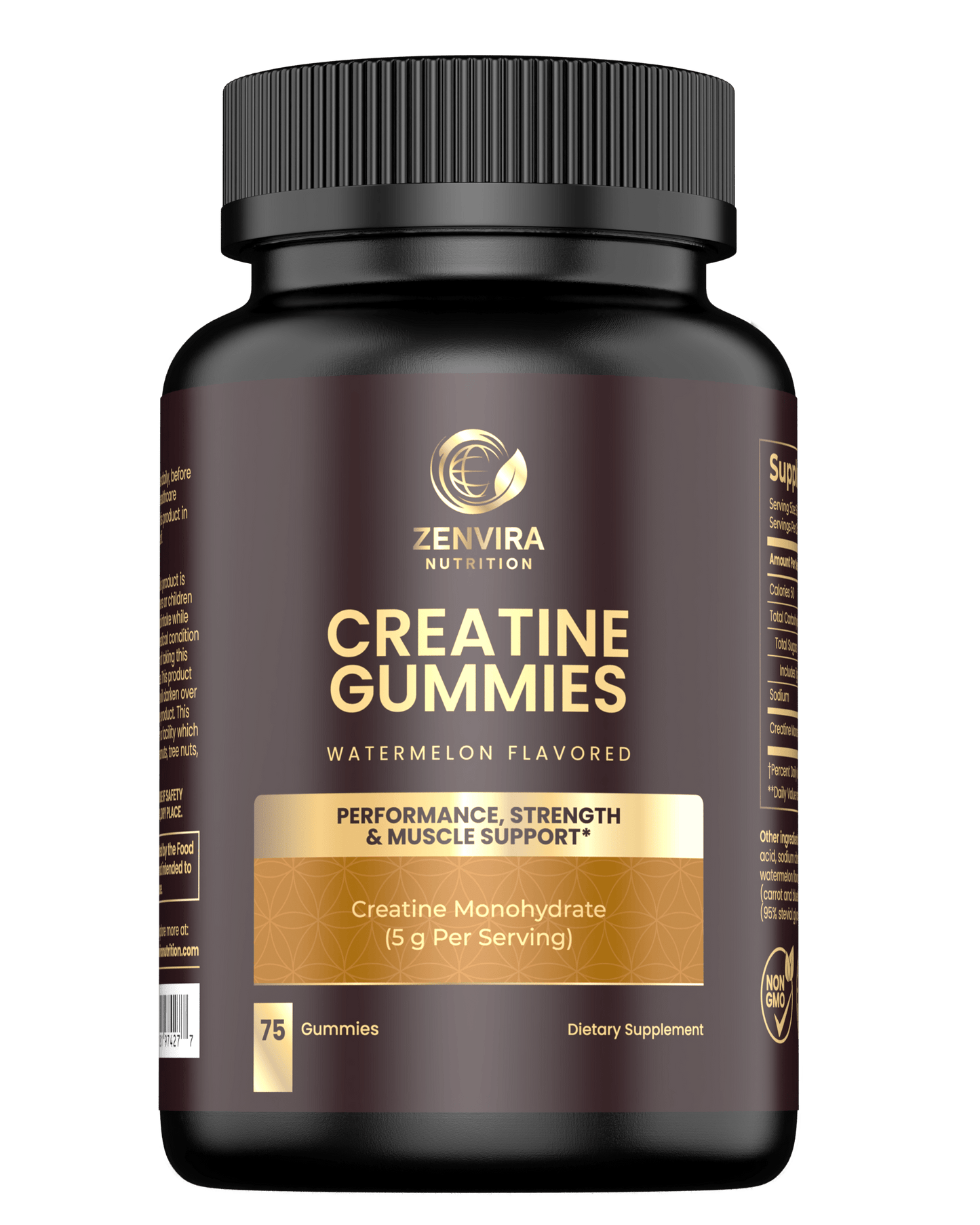
Zenvira offers creatine in convenient gummy formats, including:
- Watermelon
- Blueberry Raspberry
- Blueberry Raspberry Sugar-Free
Each serving provides 5 grams of creatine monohydrate and is designed for simple daily use.

Creatine Gummies


Creatine fits best as part of a broader routine. It works alongside:
- Consistent movement
- Balanced nutrition
- Adequate hydration
Keeping the routine simple and repeatable usually leads to better long-term consistency.
CoQ10 and Daily Wellness
Coenzyme Q10, commonly called CoQ10, is a compound your body produces naturally. It is involved in cellular processes that support daily functions and is also found in small amounts in certain foods.
Some people choose to include CoQ10 as part of a daily routine for consistency.
Zenvira offers a 30 mg CoQ10 supplement designed for everyday use. It is typically taken once per day with a meal, following the product directions.
Like other supplements, CoQ10 is most effective when it supports an already stable routine. Balanced meals, consistent sleep, and regular movement form the foundation, while a supplement can be a simple addition for those who want to include it.

COQ10 30MG



L-Carnitine and Cellular Energy Production
L-Carnitine is an amino acid derivative that the body produces naturally. It is also found in foods like meat and fish. It plays a role in transporting fatty acids into cells, where they are used in energy production.
Because of this, L-Carnitine is often included in routines focused on maintaining daily energy and supporting an active lifestyle.
Zenvira offers L-Carnitine in both 30-count and 60-count options. It is typically taken as a daily capsule with meals, following the product label directions.
L-Carnitine fits best within a consistent routine. It works alongside:
- Balanced daily nutrition
- Regular movement
- Adequate sleep
Rather than replacing these habits, it becomes one part of a structured approach to maintaining steady daily energy.
Mushroom Gummies and General Wellness Support
Mushroom-based supplements have become a common addition to daily wellness routines. Different mushroom varieties have been used in traditional practices for many years and are now included in modern supplement formats.
These blends are often chosen for general wellness support rather than for a single targeted outcome. They are typically used as part of a broader routine that focuses on consistency over time.
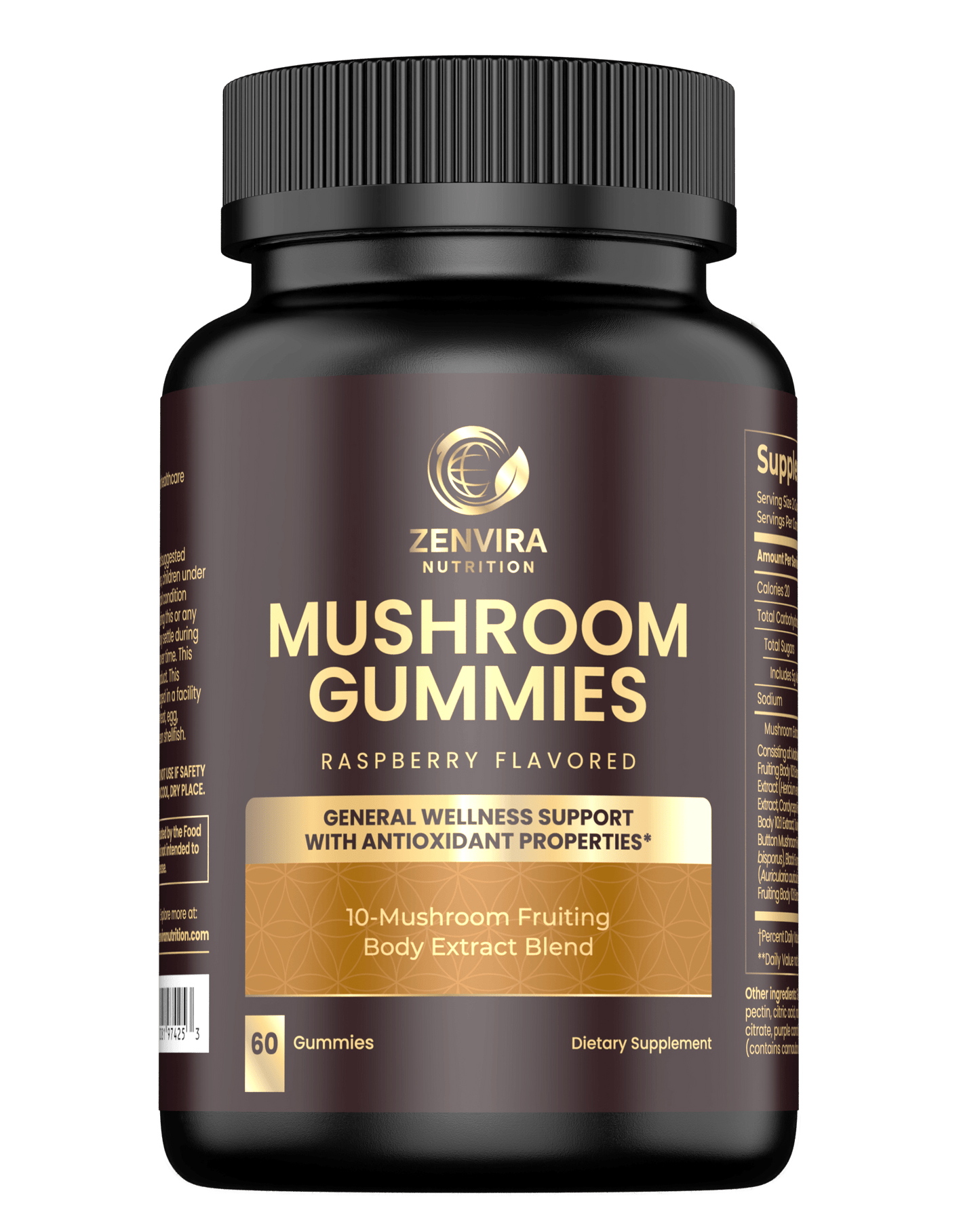
Zenvira offers Mushroom Gummies in both 60-count and 120-count bottles for daily use. They are taken as a gummy serving according to the product label directions, making them easy to include in a regular routine.

Mushroom Gummies


Mushroom supplements are best viewed as one piece of a larger system. They fit alongside:
- Balanced meals
- Consistent sleep
- Daily movement
Keeping the routine simple and repeatable tends to make these additions easier to maintain over the long term.
Ginkgo Biloba in a Daily Routine
Ginkgo biloba is a plant that has been used in wellness traditions for many years. Extracts from its leaves are now widely available in supplement form and are often included in daily routines focused on general brain wellness and overall balance.
Ginkgo is commonly used as part of a structured routine rather than for a single outcome. It is typically included alongside other habits that support daily function over time.
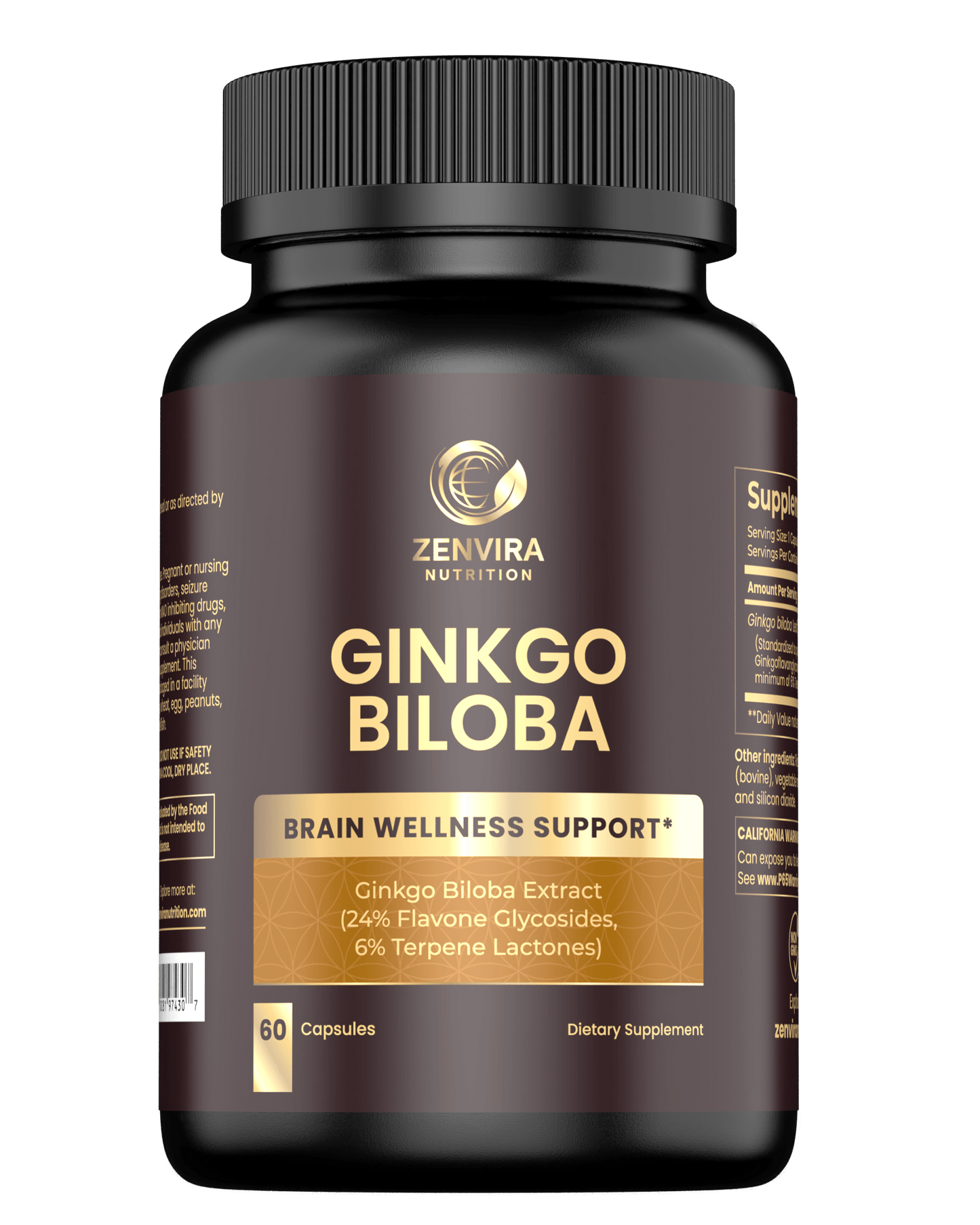
Zenvira offers Ginkgo Biloba as a daily capsule supplement. It is usually taken once per day with a meal, following the directions on the product label.
Like other supplements, ginkgo works best when it fits into a broader routine that includes:
- Consistent sleep
- Balanced meals
- Regular movement
- Steady hydration
- Daily structure
Rather than acting as a standalone solution, it becomes one small, consistent part of a well-rounded approach.
Anyone taking medications or managing specific health conditions should speak with a healthcare professional before adding ginkgo to their routine.

Ginkgo Biloba


The Role of Breakfast in Daily Energy
How you start your day often shapes how your energy feels in the hours that follow. A balanced breakfast that includes protein, complex carbohydrates, and healthy fats tends to support steadier energy compared to meals built around refined sugars or simple carbs.
Practical options include:
- Eggs with whole-grain toast and fruit
- Greek yogurt with nuts and berries
- Oatmeal with nut butter and banana
- A smoothie with protein powder and greens
These combinations help create a more gradual release of energy rather than quick spikes and drops.
For those who do not feel hungry in the morning, starting small is often enough. A lighter, balanced option is usually more supportive than skipping breakfast entirely. Others may prefer different eating patterns, including intermittent fasting, which can be adjusted based on individual preference and discussed with a healthcare professional.
Relying only on coffee in place of food can lead to uneven energy later in the day. Pairing caffeine with some form of nutrition tends to support a more stable and consistent morning.
Stress Management and Daily Wellness
Stress plays a significant role in how steady your energy feels throughout the day. While some stress is part of normal life, ongoing or unmanaged stress can affect overall balance and make daily routines feel more difficult to maintain.
Simple habits practiced consistently can help support a more stable daily rhythm:
- Short walks or time outdoors
- Brief breaks away from screens
- Light movement or stretching
- Slow breathing exercises
- Regular social connection
Even a short pause during the day, such as 5 to 10 minutes away from work, can help reset your energy more effectively than adding more caffeine.
Some people choose to include supplements as part of their routine. Ashwagandha is one option that is often used in daily wellness practices focused on stress support. Like other supplements, it works best when combined with consistent habits rather than used on its own.
Following product directions and speaking with a healthcare professional for individual questions is always a good approach.
Screen Time, Focus, and Mental Energy

Modern routines involve constant interaction with screens. Work, communication, and entertainment are all tied to devices, and this can gradually affect how steady your focus and mental energy feel throughout the day.
One of the simplest ways to manage this is by taking regular breaks. Stepping away from your screen every 45 to 60 minutes, even briefly, helps reduce mental fatigue. A common approach is the 20-20-20 rule: every 20 minutes, look at something 20 feet away for 20 seconds. This small habit can help maintain steadier focus over longer periods.
Evening screen use also matters. Using devices in the last hour before bed can make it harder for your body to fully wind down, which may affect sleep quality and next-day energy. Replacing screen time with quieter activities like reading, stretching, or conversation often leads to more consistent routines.
Beyond screen habits, building short pauses into your day can make a noticeable difference. A brief walk, a relaxed meal, or even a few minutes of quiet can help reset your mental energy. Many people find they are more productive after short breaks than during long, uninterrupted periods of work.
Building a Daily Energy and Wellness Routine
A consistent routine does not need to be complex. The most effective approaches are built around a few habits that are easy to repeat each day.
In the morning, a simple structure can set the tone:
- A glass of water
- A balanced breakfast
- Exposure to natural light
- Light movement
If supplements are part of your routine, this is often a convenient time to take them alongside a meal.
During the day, the focus shifts to maintaining steady habits:
- Balanced meals with protein, vegetables, and complex carbohydrates
- Regular movement or short breaks
- Consistent hydration
Afternoon is when many people notice a drop in energy. Instead of relying on more caffeine, a short walk, a light snack, and water often help maintain balance more effectively. If caffeine is included, limiting it to earlier in the day tends to support better sleep later.
In the evening, the goal is to gradually wind down:
- A balanced dinner
- A consistent routine leading into rest
- A sleep-friendly environment that is cool, dark, and quiet
Consistency matters more than perfection. Small habits repeated daily tend to create more stable energy over time, especially when the routine fits naturally into your lifestyle.
Common Mistakes to Avoid
One of the most common mistakes is relying too heavily on caffeine. Multiple strong caffeinated drinks throughout the day can lead to energy spikes followed by noticeable dips. Gradually reducing intake and shifting caffeine earlier in the day often leads to more stable energy.
Skipping meals is another frequent issue. Long gaps without food can result in low energy and stronger cravings later in the day. A more consistent eating pattern tends to support steadier energy from morning through evening.
Taking too many supplements at once can also make things harder to manage. Introducing several new products together makes it difficult to understand what is actually helping. A more practical approach is to add one supplement at a time and observe how your body responds over a couple of weeks.
Sleep is often overlooked. It is common to focus on diet and supplements while treating sleep as flexible, but consistent sleep habits are one of the most important factors for daily energy and overall wellness.
Finally, some people delay seeking professional guidance when it could be helpful. Ongoing fatigue or unusual changes in energy are worth discussing with a healthcare professional rather than trying to manage entirely through trial and error.
When to Speak With a Healthcare Professional
This guide is intended for general education and is not a substitute for medical advice. If you experience persistent fatigue, noticeable changes in daily energy, or have questions about medications or supplements, a healthcare professional is the best resource.
This is especially important if you:
- Take medications
- Are pregnant or nursing
- Have an existing health condition
A healthcare professional can review your routine as a whole and help ensure that your habits and supplements work together appropriately.
Frequently Asked Questions
How long does it take to see results from a new energy and wellness routine?
Most people notice small improvements within two to four weeks. More consistent and noticeable changes typically develop over several months. Daily energy responds best to steady habits applied over time rather than short-term adjustments.
Can I take creatine every day?
Yes, creatine is commonly used as a daily supplement, often at 5 grams per serving. Consistency matters more than timing. Always follow the product label and speak with a healthcare professional for personalized guidance.
What is the best time of day to take CoQ10?
CoQ10 is typically taken with a meal. Many people choose breakfast or lunch to build a consistent habit. Follow the specific product directions for best use.
Can I combine multiple daily wellness supplements?
Many routines include more than one supplement. When starting, it is helpful to introduce one at a time. This makes it easier to understand how your body responds before adding additional products.
Do mushroom gummies contain caffeine?
Zenvira’s Mushroom Gummies are designed as a general wellness supplement. Always review the product label for complete ingredient details.
How much water should I drink each day?
A common guideline is about eight 8-ounce glasses per day. Individual needs vary based on activity level, environment, and body size. Paying attention to thirst and hydration habits is often more practical than strict targets.
Is it better to exercise in the morning or evening for energy?
Both options can support daily energy. Morning or early afternoon movement often helps maintain steady energy and supports better sleep, but the most effective time is the one you can follow consistently.
Conclusion
Daily energy and general brain wellness are shaped by consistent habits. Balanced nutrition, regular movement, adequate sleep, steady hydration, and simple stress management practices all work together to support how you feel throughout the day.
Supplements can complement this foundation, but do not replace it. A well-rounded routine often combines strong daily habits with a small number of targeted supplements that fit individual needs.
Zenvira offers a range of products designed to support daily routines, including Creatine Gummies, CoQ10 30mg, L-Carnitine, Mushroom Gummies, and Ginkgo Biloba. Each product is intended to fit into a consistent approach rather than act as a standalone solution.
The most effective approach is simple: build habits you can repeat consistently, and allow results to develop over time.