
Complete Guide
The Complete Sleep Optimization Guide: Daily Habits, Nutrition, and Nighttime Support
Sleep plays a central role in how your body functions each day. It affects how you recover, how steady your energy feels, and how well your daily routine holds together over time. Yet for many people, sleep is one of the first areas to become inconsistent when life gets busy or routines shift.

Sleep is not just about how many hours you spend in bed. It is shaped by how your day is structured, how your evening routine is built, and how consistently your body winds down at night. Small disruptions in these areas can make it harder to fall asleep, stay asleep, or feel rested the next day.
This sleep optimization guide is designed to give you a clear, practical way to improve your sleep. Instead of focusing on a single change, it examines how daily habits, nutrition, and nighttime support work together to create a more stable routine.
Throughout this guide, you will learn how to build a consistent evening structure, how certain nutrients may support your routine, and how to create a system that fits into your daily life without adding unnecessary complexity.
Why Sleep Matters for Daily Wellness
Sleep shows up in how you feel every single day. It is not just about rest. It shapes how steady your energy is, how well you recover, and how smoothly your routine holds together.
How Sleep Affects Your Day
When sleep is consistent, your day tends to feel more stable and manageable. When it is not, even simple tasks can feel heavier than they should.
You may notice:
- Lower energy throughout the day
- Less patience or increased irritability
- More difficulty staying consistent with meals and routines
These shifts are not random. They reflect how your body responds to disrupted recovery.
What Happens During Sleep
Sleep is when your body handles essential maintenance. It is not passive time. Your system is actively working to reset and support daily function.
During sleep, your body:
- Supports recovery from daily activity
- Maintains internal balance across systems
- Prepares you for the next day’s demands
When this process is consistent, everything else tends to feel easier to manage.
Why Consistency Matters More Than Perfection
One poor night of sleep is not the issue. It is the pattern that matters over time.
Sleep tends to improve when your routine becomes predictable. Small, repeatable habits often lead to better results than trying to fix everything at once.
A consistent approach may include:
- A regular sleep and wake time
- A simple wind-down routine
- A stable daily structure
These habits give your body something to adapt to, which supports better sleep over time.
How Much Sleep Adults Actually Need
There is no single number that works for everyone, but most adults fall within a similar range.
General Sleep Guidelines
Most adults benefit from:
- 7 to 9 hours of sleep per night
Some people feel better slightly above or below this range. The more reliable indicator is how you feel during the day.
Quality vs Quantity
Sleep duration is only part of the picture. How well you sleep matters just as much.
You may spend enough time in bed, but still feel off if your sleep is fragmented or inconsistent.
Better sleep quality often looks like:
- Falling asleep without long delays
- Staying asleep through the night
- Waking up feeling relatively steady
The goal is not just more sleep, but more restful sleep.
Common Sleep Challenges People Experience
Sleep issues rarely look the same for everyone, but certain patterns show up again and again. Recognizing these patterns makes it easier to respond with practical changes instead of guessing what is wrong.
Trouble Falling Asleep
One of the most common challenges is simply getting to sleep.
You may feel tired, but your mind stays active once you get into bed. This often happens when your body has not fully transitioned into a resting state.
Common contributors include:
- Late caffeine intake
- Screen exposure in the evening
- Stress or an overactive mind
- Irregular sleep timing
A simple wind-down routine can help signal to your body that it is time to shift into rest mode.
Waking Up During the Night
Waking up briefly is normal, but difficulty falling back asleep can disrupt the entire night.
This often feels like being awake longer than expected or struggling to settle back into sleep.
Common factors include:
- Room temperature or environment
- Late or heavy meals
- Alcohol intake
- Stress or inconsistent routines
Small adjustments to your environment and evening habits can make these interruptions less noticeable over time.
Feeling Unrested After Sleep
Some people sleep for enough hours but still wake up feeling off.
This usually points to sleep quality rather than sleep duration. Even a full night in bed may not feel restorative if sleep is light or frequently interrupted.
You may notice:
- Low energy in the morning
- A slow start to the day
- Feeling like sleep did not fully reset your system
In these cases, improving the depth and consistency of sleep often matters more than adding more hours.
Disrupted Routines and Irregular Schedules
For some people, the challenge is not falling asleep or staying asleep, but maintaining consistency at all.
Situations that commonly affect sleep patterns include:
- Shift work
- Frequent travel
- Caregiving responsibilities
In these cases, perfect consistency may not be realistic. Even small steps toward a more stable routine can make a meaningful difference over time.
Foundational Habits for Better Sleep

Before looking at supplements or advanced strategies, it is worth getting the basics right. Sleep tends to improve when a few simple habits are repeated consistently. These habits create the structure your body relies on each night.
Keep a Consistent Sleep Schedule
Your body responds well to rhythm. When you go to sleep and wake up at similar times each day, your system begins to expect rest at those times.
A steady schedule helps:
- Make it easier to fall asleep
- Improve how rested you feel in the morning
- Support a more predictable daily routine
Even on weekends, keeping your timing within about an hour of your usual schedule can make a noticeable difference.
Manage Caffeine Timing
Caffeine can stay in your system longer than expected. Even if you feel fine after drinking it, it may still affect how easily you fall asleep later.
For many people, it helps to:
- Keep caffeine earlier in the day
- Avoid it in the late afternoon or evening
- Be aware of total daily intake
Small adjustments here often lead to meaningful improvements without changing anything else.
Build a Wind-Down Routine
Your body does not switch from active to restful instantly. A short wind-down period helps create that transition.
This does not need to be complicated. It can be as simple as:
- Dimming the lights
- Stepping away from screens
- Reading or stretching
- Taking a warm shower
The goal is to create a clear signal that the day is ending.
Optimize Your Sleep Environment
Your bedroom plays a bigger role than most people realize. Small changes to your environment can improve how deeply you sleep.
A supportive setup usually includes:
- A cool room, often around 65 to 68 degrees
- Minimal light using blackout curtains or an eye mask
- A quiet space or consistent background noise
When your environment supports rest, it becomes easier for your body to stay asleep.
Be Mindful of Evening Food and Alcohol
What you consume in the evening can affect how you sleep, even if it does not seem obvious at first.
Heavy meals and alcohol close to bedtime can make sleep feel less restful. A more balanced approach is to:
- Finish larger meals a few hours before bed
- Keep evening intake lighter and easier to manage
- Be aware of how alcohol affects your sleep quality
These small adjustments often improve how you feel the next morning.
Nutrition Choices That May Support Sleep

What you eat during the day often shows up at night. Sleep does not start when you get into bed. It builds from the patterns you follow earlier.
Meals that include protein and complex carbohydrates tend to keep your energy steady. This reduces the urge to eat heavily late at night, which can disrupt your routine. Skipping meals often has the opposite effect and leads to irregular eating that makes sleep less predictable.
Some foods are commonly included in evening routines because they feel easy to tolerate and fit naturally into a wind-down pattern. These include:
- Tart cherries
- Kiwi
- Oats
- Almonds
- Bananas
- Dairy options like Greek yogurt or cottage cheese
No single food solves sleep, but a balanced and consistent approach supports a more stable night.
Warm drinks can also play a role. Herbal teas like chamomile, passionflower, or valerian are often used as part of a simple evening ritual. The benefit is not just what you drink, but the signal it creates that your day is slowing down.
Hydration matters as well, but timing makes a difference. Staying hydrated earlier in the day supports overall balance, while gradually reducing fluids in the evening helps avoid unnecessary disruptions during the night.
Magnesium and Sleep Wellness
Magnesium is one of the most commonly included minerals in sleep routines. It is involved in many processes across the body, including those related to relaxation and daily balance.
Many people do not get enough magnesium through food alone. It is found in foods like leafy greens, nuts, seeds, whole grains, legumes, and dark chocolate, but intake can still fall short without consistency.
For those looking to include it more reliably, a supplement can be a simple addition. Zenvira offers two options that fit different preferences:
- Magnesium Citrate Gummies for a convenient format
- Magnesium Restore, which combines multiple forms of magnesium in one capsule
Magnesium is often taken in the evening as part of a wind-down routine. Keeping the approach simple and consistent tends to work better than trying to adjust it constantly.
Glycine and Nighttime Recovery
Glycine is an amino acid that plays a role in many everyday functions. It is often included in evening routines that focus on recovery and rest.
It is naturally present in protein-rich foods such as meat, fish, dairy, beans, and bone broth. However, some people choose to include it as a separate supplement for consistency.
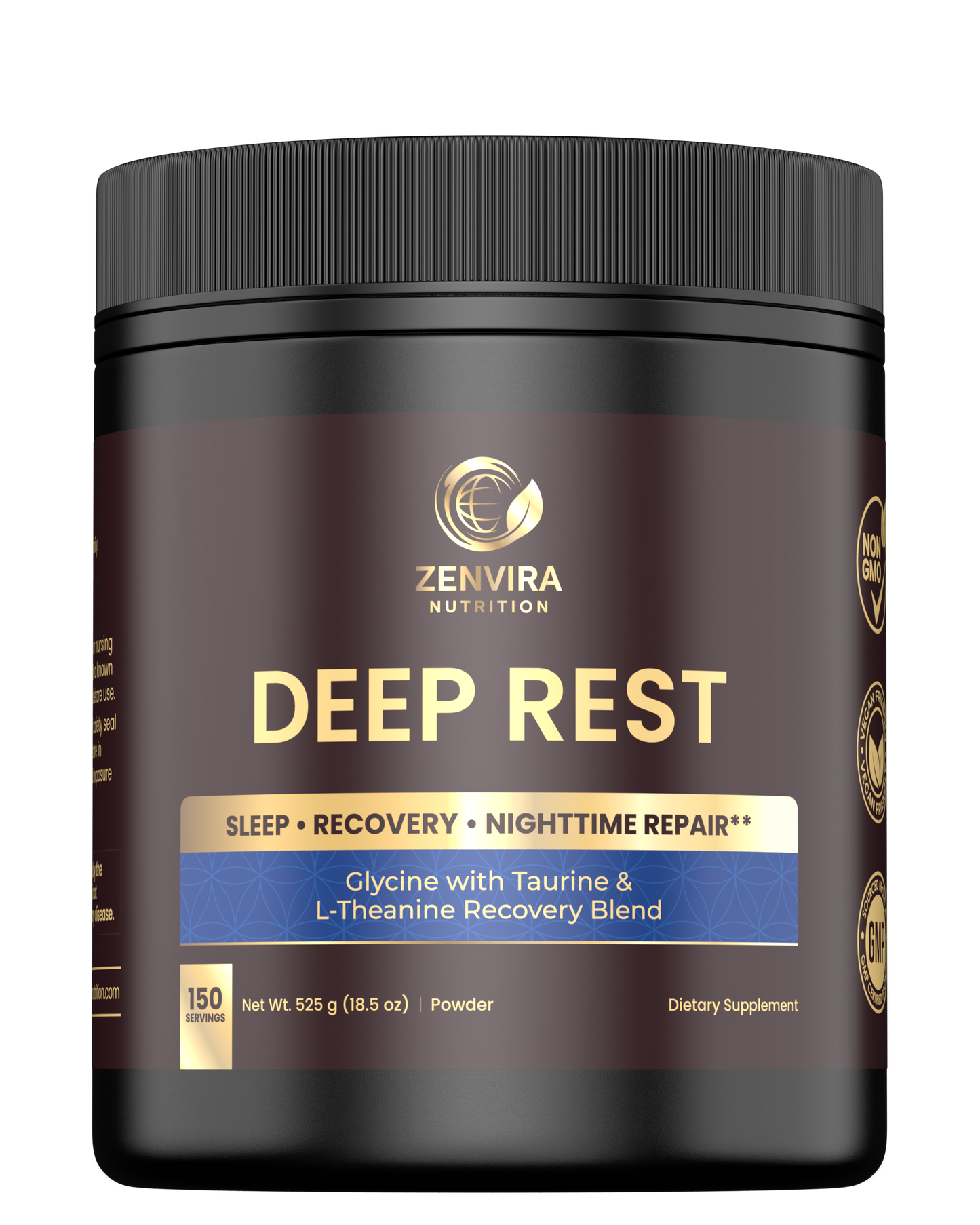
Zenvira offers a glycine-based powder called Deep Rest. It combines glycine with taurine and L-theanine and is designed to be taken in the evening. Mixing it into water can turn it into a simple part of a nightly routine.
As with any supplement, it works best when it fits into a broader structure rather than being relied on alone.

Deep Rest


Apigenin and Calm Evening Routines
Apigenin is a plant compound found in foods like chamomile, parsley, and celery. It is often associated with calm evening routines and has become more common in supplement form.
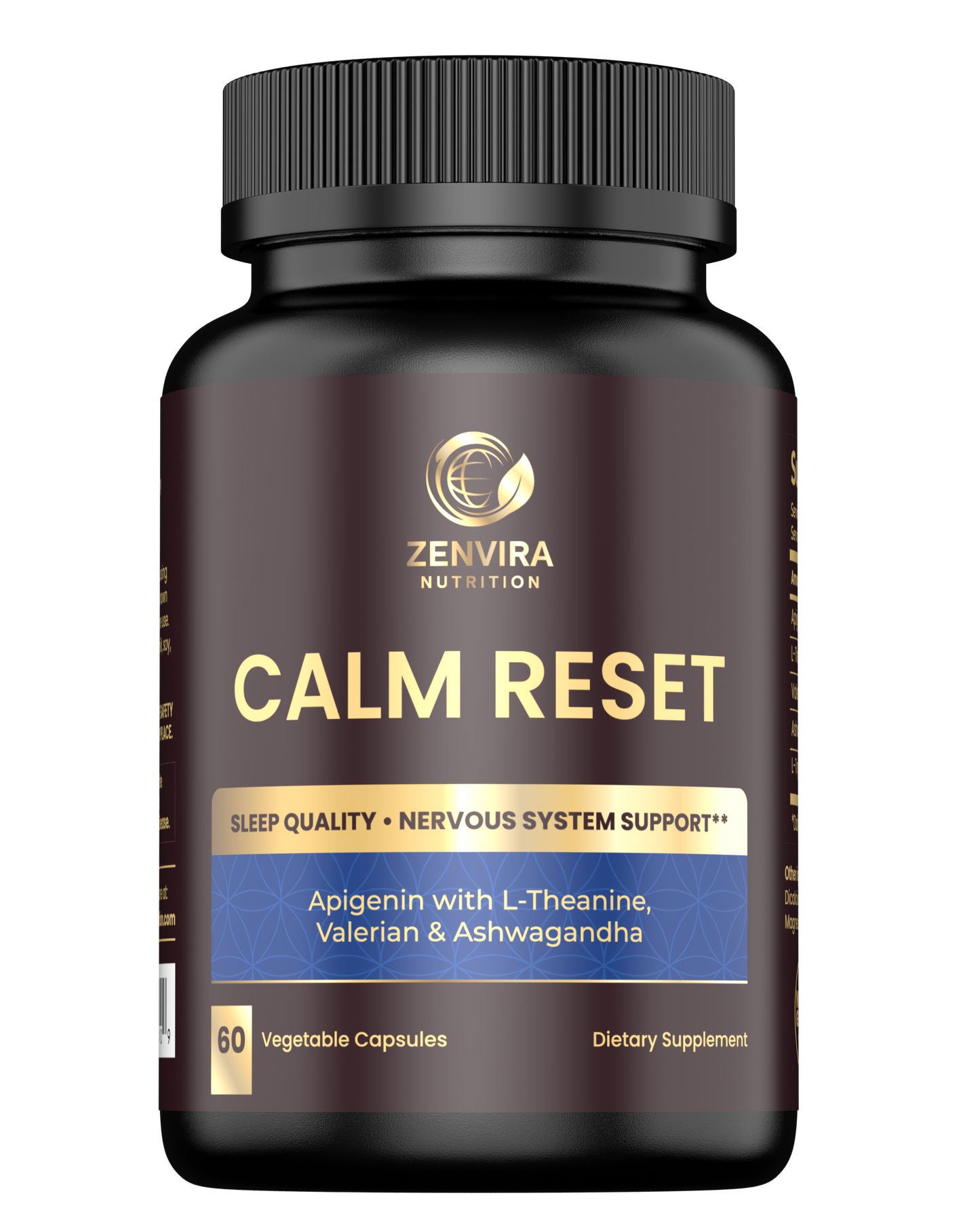
Food sources provide small amounts, but supplements offer a more consistent way to include them daily. Zenvira’s Calm Reset combines apigenin with L-theanine, valerian, ashwagandha, and L-tryptophan in a single formula designed for evening use.
Apigenin is most effective when it supports an already structured routine. Pairing it with reduced screen time, consistent sleep timing, and a calm environment tends to make a bigger difference than using it on its own.

Calm Reset


Ashwagandha and Daily Stress Support
Ashwagandha is an herb that has been used in wellness practices for a long time and is now widely included in modern routines. It is often used as part of a broader approach to managing daily stress.
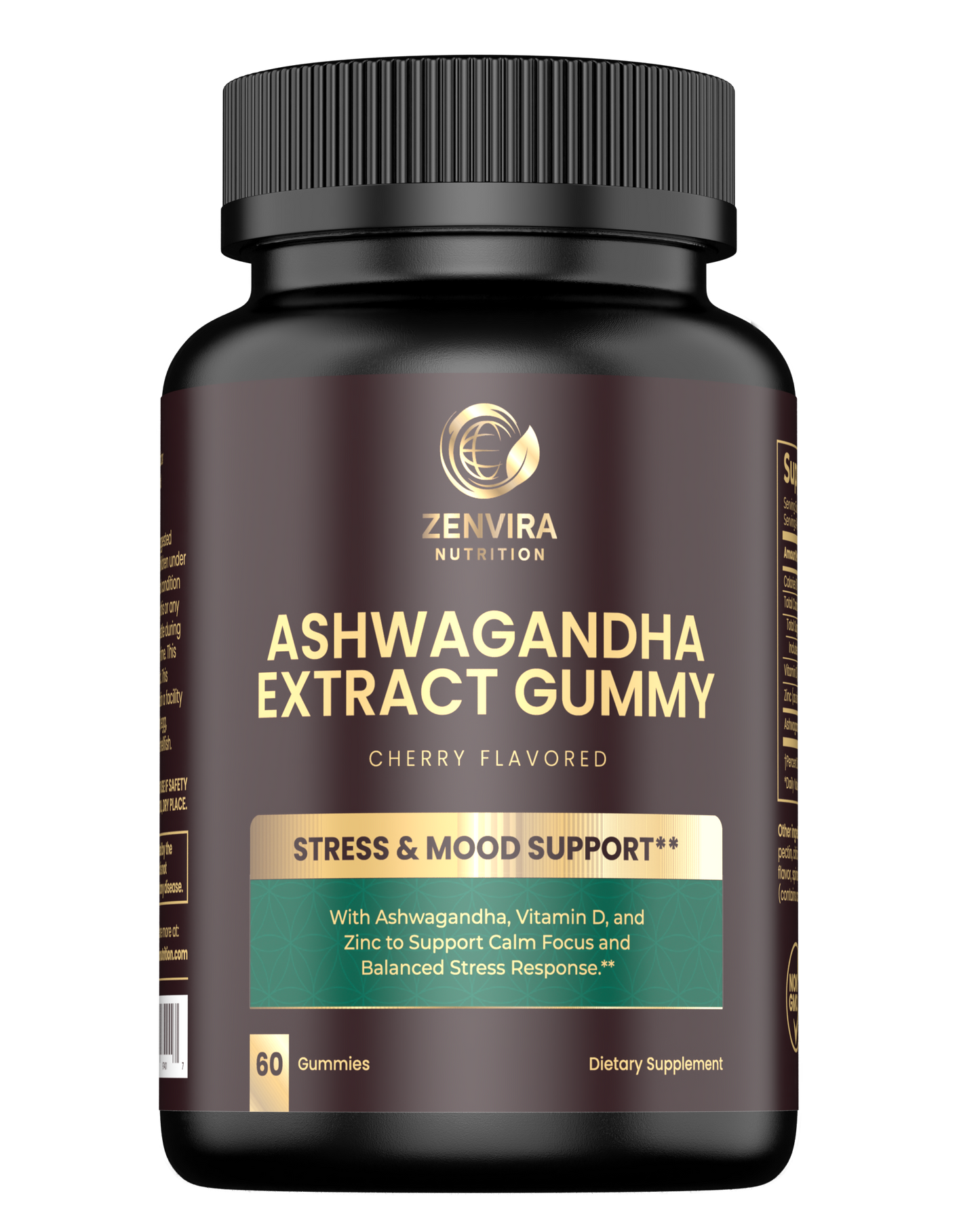
Zenvira offers Ashwagandha Extract Gummies as an easy-to-use option. Some people prefer taking it earlier in the day, while others include it in their evening routine as part of winding down.
Sleep and stress are closely connected. When your daily routine feels more stable, sleep tends to follow. Ashwagandha can be one small part of that structure, alongside habits like movement, time outdoors, and consistent daily patterns.

Ashwagandha Extract Gummy


Building a Nightly Wind Down Routine
A good night of sleep rarely happens by accident. It usually follows a pattern your body recognizes. A wind-down routine creates that pattern and makes it easier to transition from a busy day into rest.
Start Slowing Down Before Bed
Your body needs time to shift gears. Jumping straight from activity into bed often makes it harder to fall asleep.
A simple approach is to begin winding down about 30 to 60 minutes before bedtime. This can include:
- Dimming the lights
- Stepping away from screens
- Lowering the pace of your evening
These small signals help your body understand that the day is coming to an end.
Create a Repeatable Evening Ritual
The exact routine does not matter as much as consistency. The goal is to repeat a few calming actions each night.
Common options include:
- Reading a few pages of a book
- Light stretching
- A warm shower
- A cup of herbal tea
Over time, these actions become cues that trigger your body’s natural wind-down.
Include Supplements as Part of the Routine
If you use supplements, this is usually the best time to take them. Keeping them tied to your routine makes them easier to remember and more consistent.
Common options include:
- Magnesium
- Glycine
- Apigenin
- Ashwagandha
Each should be taken according to the product directions and as part of a broader routine, not as a standalone step.
Set Up Your Sleep Environment in Advance
By the time you get into bed, your environment should already support rest.
A simple setup includes:
- A cool room
- Minimal light
- A quiet or steady background sound
Keeping your phone away from reach or outside the room can also reduce unnecessary stimulation.
Give It Time to Work
A wind-down routine does not feel natural immediately. It takes repetition.
For most people:
- The first week feels intentional or forced
- After two to four weeks, it starts to feel automatic
Consistency is what turns this into a habit that your body responds to without effort.
The Science Behind Sleep Stages
Sleep is not one continuous state. Your body moves through different stages each night, and each one serves a different purpose. Understanding this helps explain why sleep quality matters just as much as total hours.
Light Sleep
Light sleep is the entry point into rest. It occupies a large portion of the night and serves as a bridge between wakefulness and deeper stages of sleep.
This stage:
- Helps your body transition into sleep
- Is easier to wake from
- Can be disrupted by noise or the environment
Deep Sleep
Deep sleep is where most physical recovery takes place. This stage is especially important for feeling restored the next day.
It is associated with:
- Physical repair and recovery
- A deeper level of rest
- More stability in your sleep cycle
Deep sleep is more concentrated earlier in the night, which is why late-night habits can have a bigger impact than expected.
REM Sleep
REM sleep is when dreaming typically occurs. It becomes more prominent in the second half of the night.
This stage:
- Completes the sleep cycle
- Contributes to feeling fully rested
- Works alongside earlier stages to balance recovery
Why the Full Cycle Matters
A full night of sleep means moving through all of these stages multiple times.
When sleep is disrupted:
- Cycles may be shortened or incomplete
- Rest may feel lighter or less effective
- You may wake up feeling less recovered
The goal is not just time in bed, but uninterrupted cycles that allow your body to complete this process.
Caffeine Timing and Sleep Quality
Caffeine is part of many daily routines, but its effect on sleep is often underestimated. Even when you do not feel alert, it can still be active in your system.
Why Timing Matters
Caffeine stays in your body for several hours. This means that what you consume earlier in the day can still affect you at night.
A simple guideline:
- Stop caffeine 6 to 8 hours before bedtime
- Consider an earlier cutoff if you are sensitive
Small Adjustments That Help
You do not need to remove caffeine entirely to see improvements. Timing and awareness often make the biggest difference.
Practical changes include:
- Shifting coffee to earlier in the day
- Replacing afternoon drinks with herbal tea or water
- Reducing total daily intake
Hidden Sources of Caffeine
Caffeine is not only found in coffee.
It may also be present in:
- Energy drinks
- Pre-workout supplements
- Green coffee bean extract
- Certain teas and wellness products
Checking labels can help you stay aware of your total intake without guessing.
When caffeine is managed well, many people notice that falling asleep becomes easier and sleep feels more consistent from night to night.
Creating the Ideal Sleep Environment

Your bedroom should make sleep easier, not harder. Small changes here often lead to noticeable improvements without changing anything else in your routine.
Keep the Room Cool
Temperature has a direct impact on how deeply you sleep.
Most people sleep better in a slightly cool space. A common range is around 65 to 68 degrees. You can adjust this with:
- Lighter bedding
- Breathable fabrics
- Simple thermostat changes
Even a small shift can make your sleep feel more comfortable.
Reduce Light as Much as Possible
Light can quietly disrupt sleep, even when it seems minor.
Common sources include streetlights, device screens, or small LED indicators. You can improve this by:
- Using blackout curtains
- Wearing an eye mask
- Covering or removing light sources
A darker room supports more consistent sleep through the night.
Keep Sound Consistent
Noise does not have to be completely eliminated, but it should be predictable.
Two simple options work well:
- A quiet environment
- Steady background noise like a fan or white noise
This helps prevent sudden disruptions that can interrupt sleep cycles.
Make Your Bed Comfortable
Your mattress and pillow do not need to be expensive, but they do need to support you properly.
Things to watch for:
- A mattress that feels worn out
- A pillow that does not support your neck comfortably
If something feels off, it is often worth adjusting. Small upgrades here can have a lasting impact.
The Morning Matters for Sleep Too
Better sleep does not start at night. It starts with how your day begins. A steady morning routine helps set the rhythm your body follows later.
Get Light Early in the Day
Morning light is one of the strongest signals for your body’s internal rhythm.
Even a short window helps:
- 10 to 15 minutes outdoors
- A walk or time near natural light
This supports alertness during the day and helps your body wind down more easily at night.
Keep Your Wake Time Consistent
Waking up at the same time each day creates a stable pattern your body can rely on.
A simple approach:
- Keep your wake time within about an hour each day
- Avoid large shifts on weekends
Sleeping in may feel helpful short term, but it often makes the next few days harder.
Move Your Body During the Day
Movement helps regulate energy and supports a smoother transition into rest later.
You do not need anything complicated:
- A morning walk
- Light stretching
- Exercise earlier in the day
Keeping activity earlier rather than late at night tends to work better for most people.
Start the Day with a Balanced Meal
Your first meal sets the tone for your energy levels.
A simple structure:
- Include protein
- Avoid relying only on caffeine
- Keep it consistent
Steady energy during the day often leads to a smoother wind-down at night.
Common Mistakes People Make With Sleep Routines
Even small habits can work against your sleep without you realizing it. Most issues come from inconsistency rather than doing anything extreme.
Focusing Only on Bedtime
Sleep is shaped by your entire day, not just the hour before bed.
Things that matter earlier:
- Light exposure
- Meal timing
- Movement
- Caffeine intake
Ignoring these can make nighttime fixes less effective.
Inconsistent Weekends
Large shifts in sleep timing can disrupt your rhythm.
Common pattern:
- Late nights
- Sleeping in much longer
Keeping your schedule close to your weekday pattern helps maintain consistency.
Using Screens to Wind Down
Screens can feel relaxing, but they often delay sleep instead.
Better alternatives:
- Reading
- Light stretching
- Quiet conversation
These options support a smoother transition into rest.
Relying on Alcohol
Alcohol may make you feel sleepy at first, but it often disrupts sleep later in the night.
A more balanced approach:
- Keep it earlier in the evening
- Avoid using it as a sleep aid
Sleep tends to feel more stable without it close to bedtime.
Overcomplicating Supplements
Taking too many new supplements at once makes it hard to know what is actually helping.
A better approach:
- Start with one
- Keep it consistent
- Add gradually if needed
Simplicity makes your routine easier to maintain.
Common Mistakes People Make With Sleep Routines
Most sleep issues improve with better habits, but some situations need extra attention.
Consider speaking with a professional if you notice:
- Ongoing sleep issues that do not improve
- Loud snoring or disrupted breathing
- Persistent daytime fatigue despite enough time in bed
- Sudden changes in your sleep pattern
Sleep can be connected to underlying factors that benefit from proper evaluation. Daily habits and supplements work best when they support, not replace, professional guidance.
Frequently Asked Questions
How long does it take to see results from a new sleep routine?
Most people notice small improvements within one to two weeks. More consistent and meaningful changes usually take four to six weeks. Sleep responds best to steady habits, so repeating the same routine each night matters more than making frequent changes.
Should I take sleep supplements every night?
This depends on the product and your routine. Many sleep supplements are designed for daily use, while others are used occasionally. Always follow the product label and consider speaking with a healthcare professional for guidance based on your needs.
Can I combine magnesium, glycine, and apigenin?
Melatonin is a separate category of supplement with different considerations. It can be combined with other products in some cases, but it is best to follow label directions and seek guidance if you are unsure.
What is the best time to take magnesium for sleep support?
routine helps create consistency and makes it easier to remember each night.
Does screen time really affect sleep that much?
Yes, screen use before bed can delay your body’s natural wind-down. Reducing screen time in the last hour before sleep is a simple way to support a smoother transition into rest.
Can naps make nighttime sleep worse?
Short naps earlier in the day are usually fine. Longer naps or naps taken late in the afternoon can make it harder to fall asleep at night, especially if your routine is already inconsistent.
Conclusion
Metabolic wellness comes down to what you do each day. Balanced meals, regular movement, steady sleep, and simple habits work together to support how you feel over time.
Supplements can fit into this structure as an added layer. Options like Berberine Complex, Chromium Picolinate, Green Coffee Bean Extract, and L-Carnitine are designed to support a consistent routine, not replace it.
If you want to go deeper, you can explore related articles or visit the metabolism collection to see the full range of options. The goal is to keep things simple and repeatable. Small actions, done consistently, tend to create the most meaningful results.