
Complete Guide
The Complete Metabolic Health Guide: Daily Wellness, Nutrition, and Lifestyle
Metabolic health plays a central role in how your body uses energy each day. While it is often discussed in the context of weight or calories, metabolism is much broader than that. It reflects how your body processes food, supports daily function, and maintains overall balance.

Your metabolism is active at all times. It responds to what you eat, how often you move, how well you sleep, and how consistent your daily routine is.
When these factors are aligned, your body tends to feel more stable and predictable. When they are not aligned, small disruptions can affect how you feel throughout the day.
This complete metabolic health guide is designed to provide a clear and practical understanding of how metabolism works and what may support it.
Throughout this guide, you will learn how daily nutrition, movement, and targeted ingredients may support metabolic wellness. You will also find simple ways to structure a routine that helps maintain balance over time without adding unnecessary complexity.
What Metabolism Actually Means

Metabolism refers to the ongoing processes your body uses to stay alive and function each day. It includes how food is broken down, how the body builds and repairs tissues, and how energy is produced for everything you do.
When people talk about metabolism, they are usually talking about how effectively the body uses food to support daily activity.
It is not controlled by a single factor. Your metabolism responds to how you live day to day. Things like how much you move, what you eat, how well you sleep, and how consistent your routine is all play a role.
Age and genetics matter, but your daily habits tend to have a more direct impact on how your body functions over time.
For most people, the goal is not to optimize every detail, but to build a routine that feels stable and repeatable. When your habits support your body in a consistent way, the results tend to follow without needing constant adjustment.
Why Metabolic Wellness Matters for Daily Life
Metabolic wellness shows up in ways you notice every single day. It is not abstract. It is how you feel after meals, how steady your energy is, and how your body handles routine demands. When it is supported, things tend to feel smoother without needing constant effort.
How Your Body Uses Energy Throughout the Day
Your body is constantly turning food into usable energy. When this process feels steady, your day tends to feel more predictable and easier to manage.
You may notice:
- More consistent energy between meals
- Less fluctuation in how you feel during the day
- A smoother flow from one activity to the next
When this feels off, even simple tasks can feel heavier than they should.
How You Feel After Meals
Meals do not just fill you up. They influence how your body responds in the hours that follow. Some meals feel balanced, while others feel less comfortable.
This can show up as:
- Feeling stable and satisfied after eating
- Feeling too full or off balance after certain meals
- A noticeable difference based on what and how you eat
These responses are tied to how your body is processing what it receives, not just the food itself.
Recovery and Daily Reset
Your body is always working to return to a steady state. This includes recovering from movement, stress, and daily activity.
When metabolic wellness is supported, you may notice:
- More consistent recovery after activity
- Less disruption after long or demanding days
- A quicker return to feeling steady
This makes it easier to stay consistent without feeling drained.
Why Daily Patterns Matter More Than Individual Choices
One meal or one workout does not define your metabolic wellness. What matters more is the pattern you repeat over time.
A steady rhythm may include:
- Regular meals
- Consistent movement
- Predictable sleep timing
These patterns give your body something to adapt to, which helps create a more stable experience overall.
Sustainability Is What Makes It Work
If your routine is too strict, it becomes hard to maintain. When it breaks, consistency goes with it.
A more practical approach looks like:
- Simple habits that fit into your day
- Flexibility without losing structure
- A routine you can repeat without effort
This is what allows progress to actually last.
Important Nutrients for Metabolic Wellness
What you eat each day shapes how your body uses energy and maintains balance. You do not need a complicated plan, but you do need the right building blocks. Focusing on a few key nutrient groups makes it much easier to create meals that support a steady routine.
Protein as a Daily Anchor
Protein helps bring structure to your meals. It supports lean tissue and plays a role in how steady you feel after eating. Meals that include protein often feel more complete and easier to manage.
Common options include:
- Poultry and fish
- Eggs
- Beans and lentils
- Greek yogurt
- Protein powders
Including a source of protein in each meal is a simple way to build consistency into your day.
Complex Carbohydrates for Steady Energy
Carbohydrates are often misunderstood, but the type you choose makes a difference. Whole food sources tend to provide a slower and more steady release of energy.
Good examples include:
- Whole grains
- Fruits
- Vegetables
- Legumes
These foods also bring fiber and other nutrients that support overall balance, making them a reliable part of daily meals.
Healthy Fats for Balance and Satisfaction
Fats help round out your meals and make them feel more complete. They also support a range of everyday functions in the body.
Common sources include:
- Avocados
- Olive oil
- Nuts and seeds
- Fatty fish
Adding a small amount of healthy fat to meals can help create a more balanced and satisfying plate.
Micronutrients That Support Daily Function
Beyond the main food groups, smaller nutrients still play an important role. These are often overlooked but are part of many daily routines.
Chromium is one example. It is found in foods like broccoli, whole grains, and nuts, and is also available as a supplement for those who want a more consistent intake.
Plant Compounds and Daily Routines
Some ingredients are often included in wellness routines alongside food. They are not a replacement for a balanced diet, but they can fit into a structured approach.
Berberine is a plant-derived compound that is commonly included in daily routines. It has been studied in the context of overall wellness, and many people choose to include it as part of a consistent plan.
Green coffee bean extract is another option. It contains different compounds than regular coffee and is often used in energy-focused routines.
The Role of Protein in a Daily Routine

Protein is one of the most important parts of a daily routine. It supports many basic functions and helps bring structure to how you eat. Making sure you get enough each day is one of the simplest ways to build consistency.
How Much Protein Do You Need
Protein needs vary based on body size and activity level. A common starting point is around 20 to 30 grams per meal, but this can change depending on your routine.
Some people may need more, especially:
- Those who are physically active
- Older adults
- Individuals with higher daily demands
The goal is not precision, but consistency across the day.
Practical Protein Sources
There are many ways to include protein without overcomplicating meals. Having a few reliable options makes it easier to stay on track.
Common choices include:
- Chicken, turkey, and fish
- Eggs
- Greek yogurt and cottage cheese
- Beans and lentils
- Tofu, tempeh, and edamame
For those who struggle to meet their intake through food alone, a protein supplement can be a simple addition.
When to Eat Protein
Total daily intake matters more than exact timing, but spreading protein across meals tends to work well.
A simple approach:
- Include protein at breakfast
- Add it to lunch and dinner
- Avoid relying on one large serving
Starting the day with protein often helps create a more stable foundation.
Understanding Berberine in Daily Routines
Berberine is a plant-derived compound that has been used in wellness practices for many years. It is now commonly included in daily routines as a supplement.
What Berberine Is
Berberine is extracted from certain plants and is available in capsule form. It is typically taken alongside meals as part of a structured routine.
Many people include it as one part of a broader approach rather than relying on it alone.
How It Fits Into a Routine
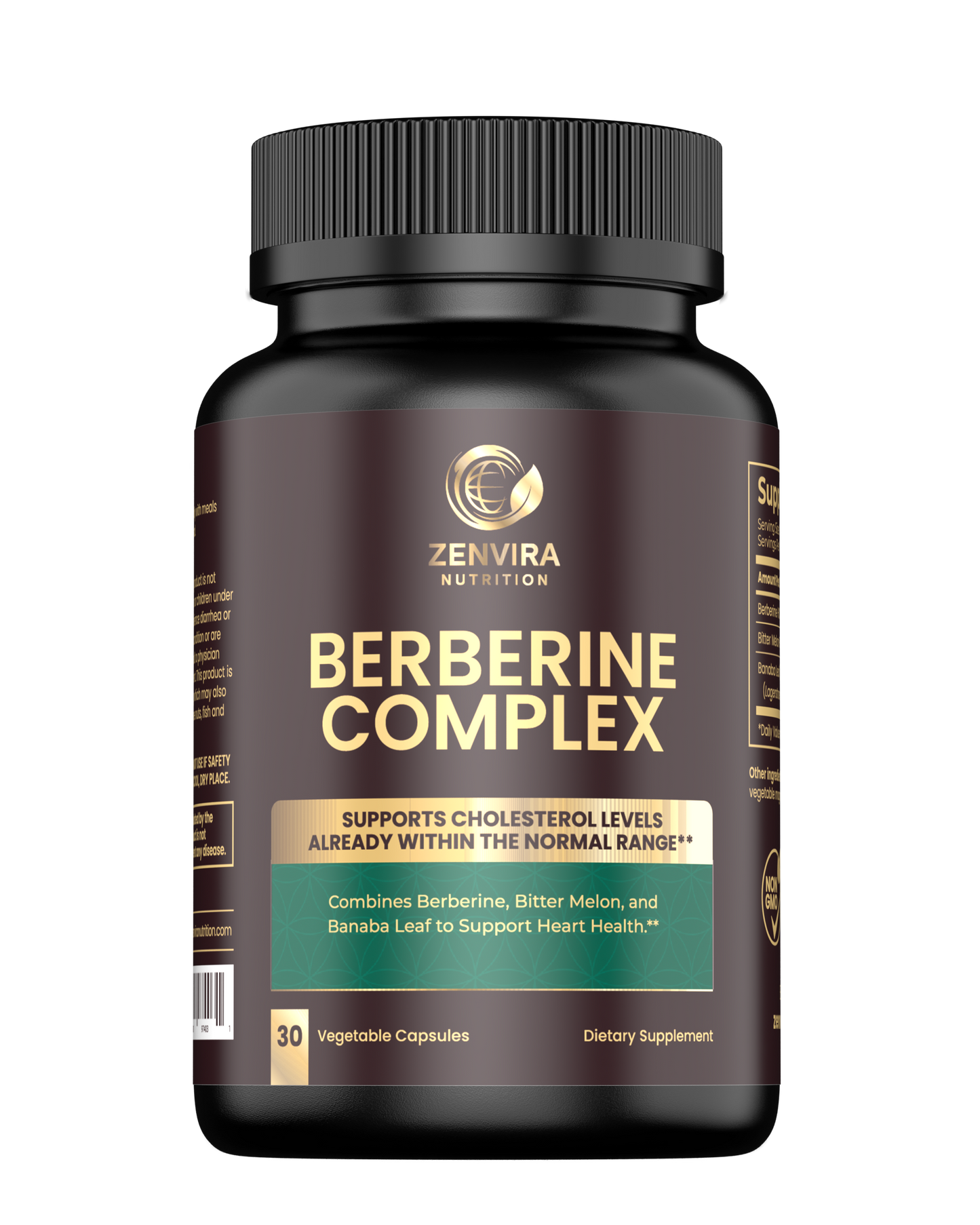
Most berberine supplements are taken two or three times per day, depending on the product directions.
Zenvira offers:
These options allow flexibility based on how you prefer to structure your routine.

Berberine Complex


Chromium in a Daily Wellness Routine
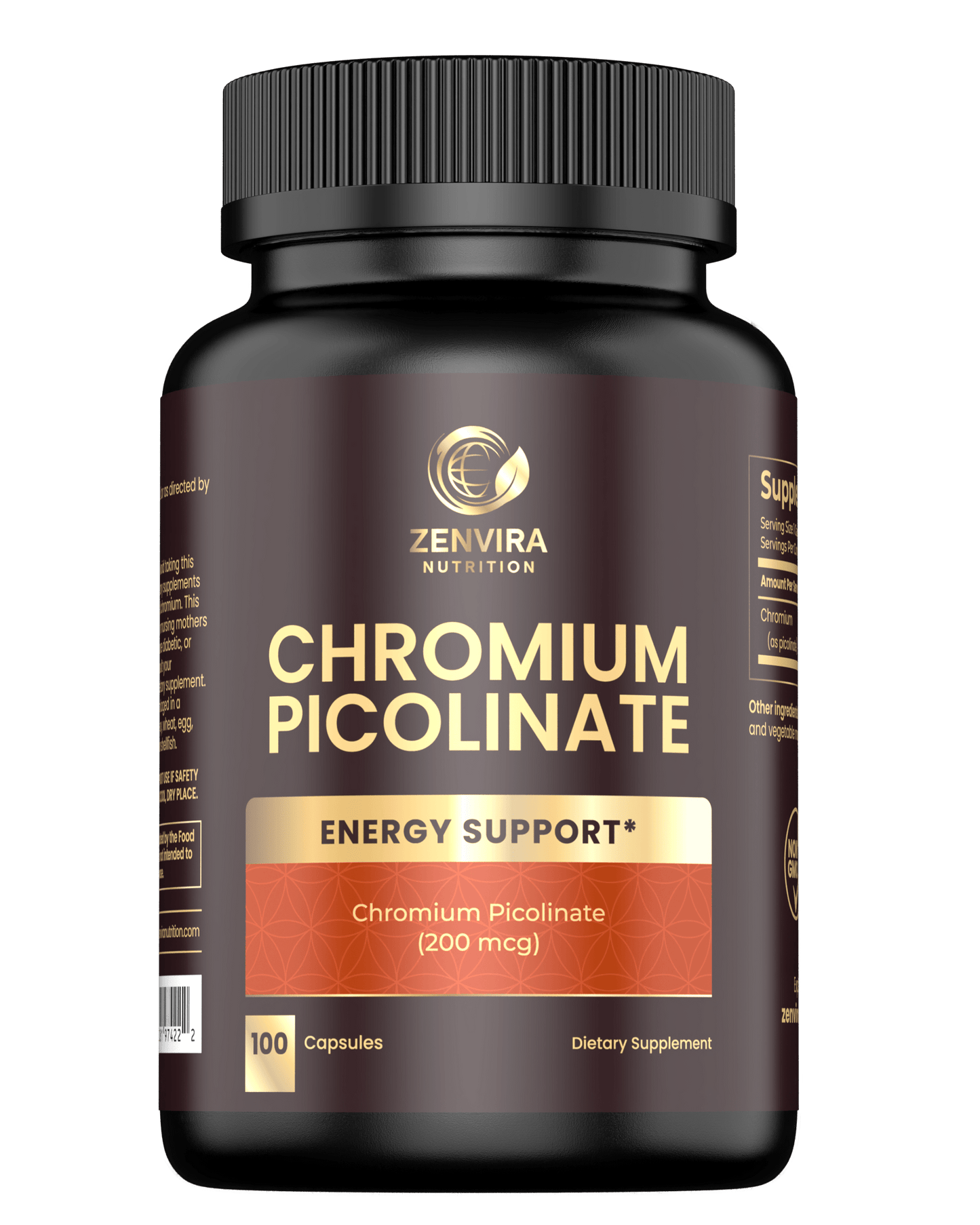
Chromium is a trace mineral that the body uses in small amounts as part of everyday function. It is found in foods like broccoli, whole grains, certain meats, and nuts, though the amount can vary depending on the source. Because of this, some people choose to include it as a supplement for more consistent intake.
Chromium picolinate is one of the more commonly used forms in supplements. It is typically taken once per day with a meal, following the instructions on the label. Zenvira offers a Chromium Picolinate option designed for simple, daily use.
Like other supplements, chromium is best viewed as part of a broader routine rather than a standalone solution. Daily habits such as balanced meals, regular movement, and consistent structure tend to have a larger overall impact. A supplement like chromium simply fits into that routine as a steady addition for those who choose to include it.

Chromium Picolinate


Green Coffee Bean Extract and Energy Support

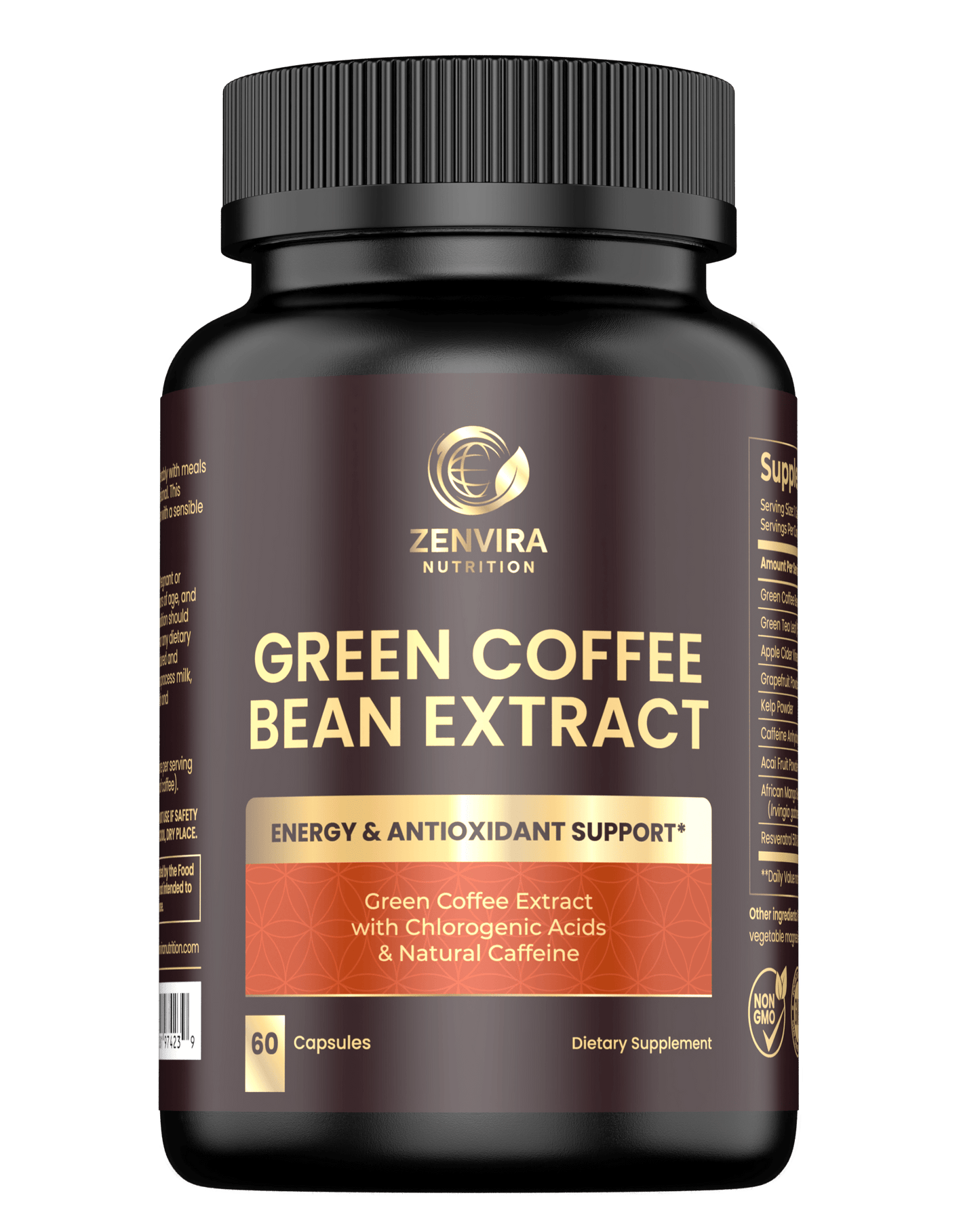
Green coffee beans are the unroasted seeds of the coffee plant. Extracts made from them have been included in wellness routines for many years. They contain a different compound profile than regular brewed coffee and are commonly taken in capsule form.
Because these extracts usually contain caffeine, they are often included in energy-focused routines. This makes it important to be aware of your total intake, especially if you already consume other sources of caffeine.
Things to keep in mind:
- Green coffee bean extract typically contains caffeine
- Total daily caffeine intake should be considered
- Sensitivity levels vary from person to person
Zenvira offers a 60-count Green Coffee Bean Extract with a clear caffeine notice on the label for transparency.
Like any energy-related supplement, it fits best within a routine that already includes:
- Consistent sleep
- Adequate hydration
- Balanced meals
This keeps it aligned with a steady, sustainable daily approach rather than relying on it alone.

Green Coffee Bean Extract


L-Carnitine and Daily Energy Production
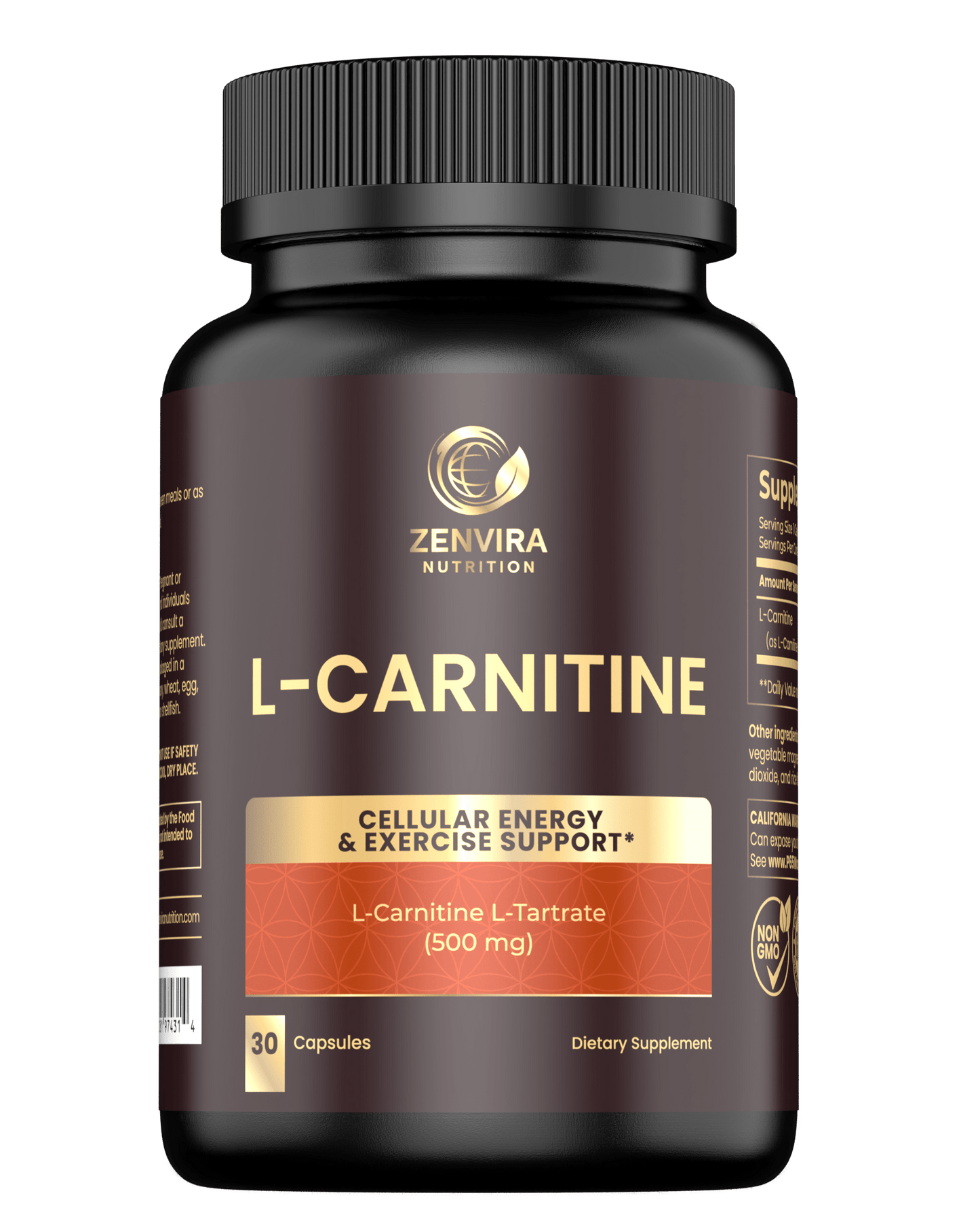
L-Carnitine is an amino acid derivative that the body produces naturally. It is also found in foods like meat and fish. It is often included in daily routines because of its role in how the body produces energy at the cellular level.
For those looking to include it more consistently, L-Carnitine is available in supplement form. Zenvira offers both 30-count and 60-count options, making it easy to fit into different routines. It is typically taken once per day with a meal, based on the product directions.
L-Carnitine is usually part of a broader approach rather than something used on its own. It works best when it sits alongside consistent daily habits such as:
- Balanced meals
- Regular movement
- Steady daily structure
Keeping the routine simple makes it easier to maintain. L-Carnitine can be one small addition within that structure, rather than the focus of it.

L-Carnitine


Hydration as a Metabolic Wellness Fundamental
Hydration is one of the easiest habits to overlook, but it affects how your body functions throughout the day. Water is involved in nearly every process, from energy use to how you feel between meals.
Most people benefit from steady intake rather than drinking large amounts at once. A general starting point is around eight glasses per day, but your needs will vary. Paying attention to thirst and urine color is often a more practical way to stay on track.
Some situations increase your hydration needs. You may need more fluids if you:
- Stay physically active
- Spend time in warm environments
- Drink caffeine regularly
In these cases, adding extra water and occasionally including electrolytes can help maintain balance.
Keeping hydration simple makes it easier to stay consistent. A few small habits go a long way:
- Keep a water bottle within reach
- Drink water with meals
- Take small sips throughout the day
When hydration becomes part of your routine, you are more likely to notice steady energy and a more balanced daily rhythm.
The Role of Movement in Daily Metabolic Wellness
Movement is one of the most direct ways to support metabolic wellness. It does not need to be intense or structured. What matters most is showing up consistently.
A daily walk is a simple place to start. Even 20 to 30 minutes can fit into most schedules. Many people prefer walking after meals since it feels natural and easy to maintain. Over time, this becomes part of a steady routine rather than something forced.
Resistance training adds another layer. It supports lean tissue, which plays a role in how the body uses energy each day. You do not need a complex program. A few sessions per week using bodyweight or basic equipment is enough to build consistency.
Small movements throughout the day also counts. Sitting for long periods can break your rhythm, so adding short breaks helps:
- Stand or stretch every hour
- Take short walks between tasks
- Keep your body moving in simple ways
These small habits are often easier to sustain than relying only on structured workouts.
Sleep, Stress, and Metabolic Wellness
Sleep and stress are often overlooked, but they shape how your body functions each day. When either one is off, everything else can feel harder to manage.
Sleep supports how your body handles energy, hunger, and recovery. Most people benefit from 7 to 9 hours each night. Just as important is keeping your timing consistent. Going to bed and waking up at similar times helps your body stay in rhythm.
A few simple habits can improve sleep quality:
- Keep your room cool and dark
- Reduce screen time before bed
- Follow a consistent wind-down routine
Stress is part of daily life, but ongoing stress can disrupt your routine. It affects how you feel, how you eat, and how steady your day feels overall.
Managing stress does not need to be complicated. Small actions done regularly make a difference:
- Take short walks
- Practice slow breathing
- Spend time outdoors or unplugged
When sleep and stress are supported, everything else becomes easier to maintain.
Building a Daily Metabolic Wellness Routine
A strong routine is built on simplicity. The goal is not to do everything, but to repeat a few key habits every day.
Morning sets the tone. Start with water, then have a balanced meal that includes protein and complex carbohydrates. If you take supplements, this is a good time to keep them consistent.
During the day, focus on steady habits:
- Eat balanced meals with protein, vegetables, and whole foods
- Stay hydrated
- Add short movement breaks between tasks
Evening is about winding down. A balanced dinner, light movement if needed, and a consistent sleep routine help prepare your body for the next day.
The key is not perfection. It is repetition. When your routine fits into your real life, it becomes easier to maintain over time.
Putting It All Together: A Week in a Metabolic Wellness Routine
It helps to see how everything fits into a real day. This is a simple example you can adjust based on your schedule and preferences.
Morning
- Water
- Balanced meal with protein, carbs, fats
- Take supplements
Mid morning
- Light movement or a short walk
- Optional small snack
Lunch
- Protein + vegetables + complex carbs
- Stay hydrated
Afternoon
- Short walk
- Protein-based snack if needed
- Keep water intake steady
Evening
- Balanced dinner
- Take supplements if needed
- Optional short walk
Before bed
- Wind down
- Limit screens
- Keep sleep timing consistent
Common Mistakes to Avoid
Even a good plan can fall apart with a few common missteps. Most of them come down to trying to shortcut the process.
Focusing on one thing only
A supplement alone will not carry your routine. Meals, movement, sleep, and hydration all need to work together.
Expecting quick results
Metabolic wellness builds over time. A few days is not enough to judge progress. Give your routine a few weeks before making changes.
Doing too much at once
Adding everything at the same time makes it hard to stay consistent. It also makes it unclear what is actually helping.
A better approach:
- Start with one or two changes
- Let them settle into your routine
- Build gradually from there
When to Speak With a Healthcare Professional
This guide is meant for general education. It is not a replacement for medical advice.
If you have ongoing symptoms or specific concerns, it is best to speak with a healthcare professional. They can help you understand what is happening and guide your next steps.
This is especially important if you:
- Take medications
- Have an existing health condition
- Are pregnant or nursing
A professional can review your routine, including your supplements, and ensure everything works together safely.
Frequently Asked Questions
How long does it take to notice changes from a metabolic wellness routine?
It varies from person to person. Many people begin to notice small shifts within four to six weeks of consistent habits. Some changes take longer. Staying consistent matters more than looking for quick results.
Can I take multiple metabolic wellness supplements together?
Many people include more than one supplement in their routine. It is usually easier to start with one and add others gradually. This helps you understand how your body responds over time.
Is it better to exercise in the morning or the evening?
There is no single best time. The most effective option is the one you can stick to. A consistent routine matters more than the exact timing.
How much protein do I need each day?
A common starting point is around 20 to 30 grams per meal for most adults. Needs can vary based on activity level, age, and overall routine.
Does sleep really affect metabolism that much?
Yes, sleep plays a role in how your body manages energy and daily balance. Most adults benefit from 7 to 9 hours of consistent sleep each night.
Can I take berberine with food or on an empty stomach?
Most products are taken with meals. It is best to follow the directions on the specific label you are using.
Are gummy supplements as effective as capsules for metabolic support?
Both formats can work. The most important factor is choosing one you can take consistently as part of your daily routine.
Conclusion
Metabolic wellness comes down to what you do each day. Balanced meals, regular movement, steady sleep, and simple habits work together to support how you feel over time.
Supplements can fit into this structure as an added layer. Options like Berberine Complex, Chromium Picolinate, Green Coffee Bean Extract, and L-Carnitine are designed to support a consistent routine, not replace it.
If you want to go deeper, you can explore related articles or visit the metabolism collection to see the full range of options. The goal is to keep things simple and repeatable. Small actions, done consistently, tend to create the most meaningful results.